All Roads Lead to the Arrow River

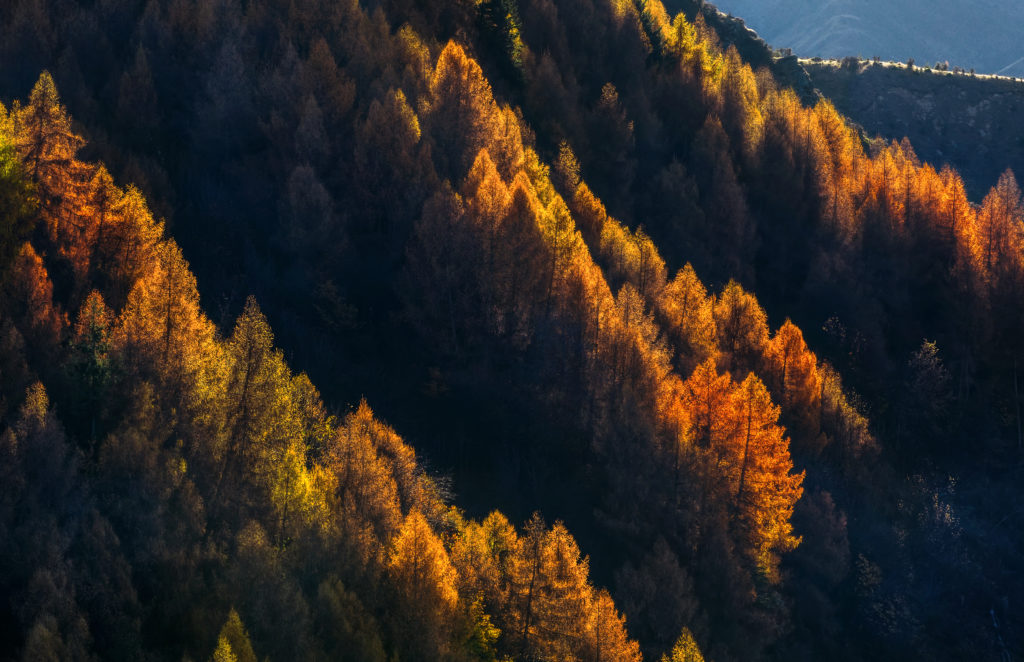
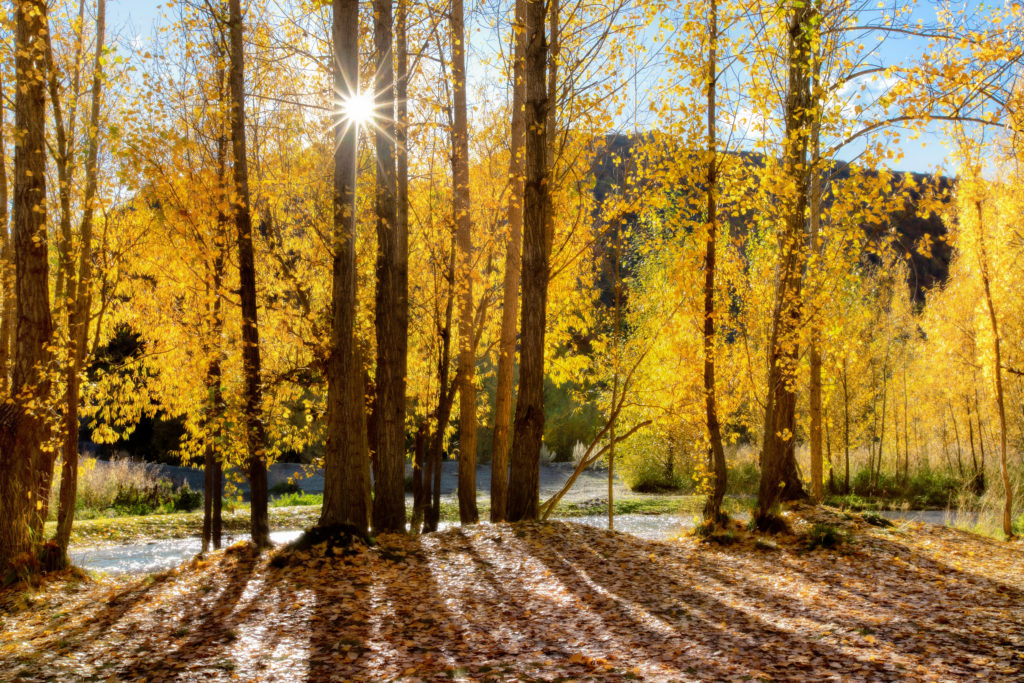
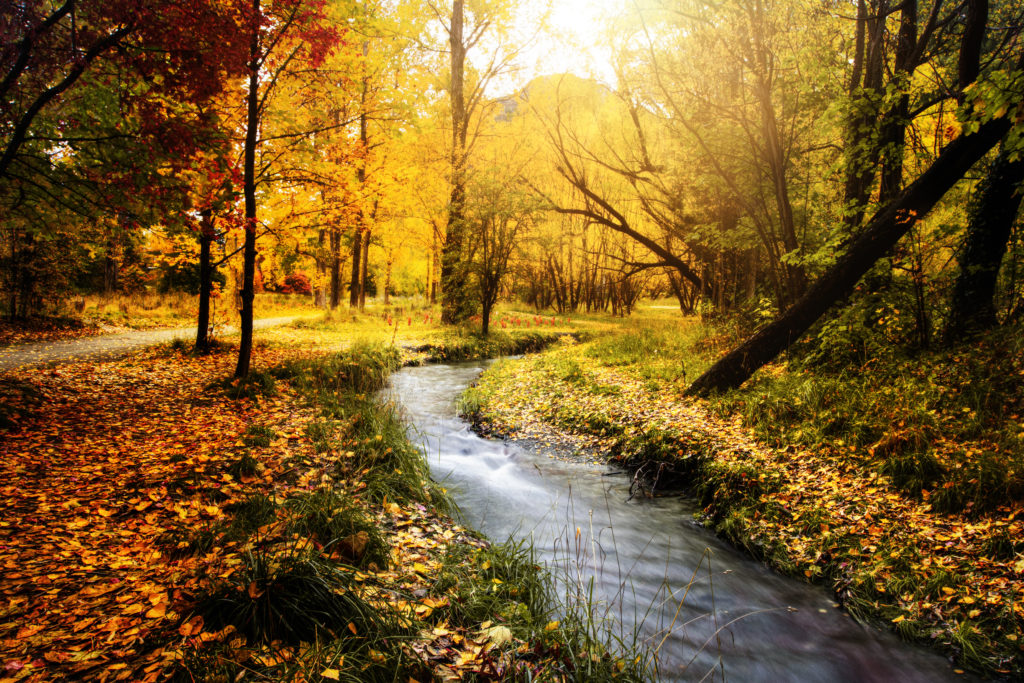
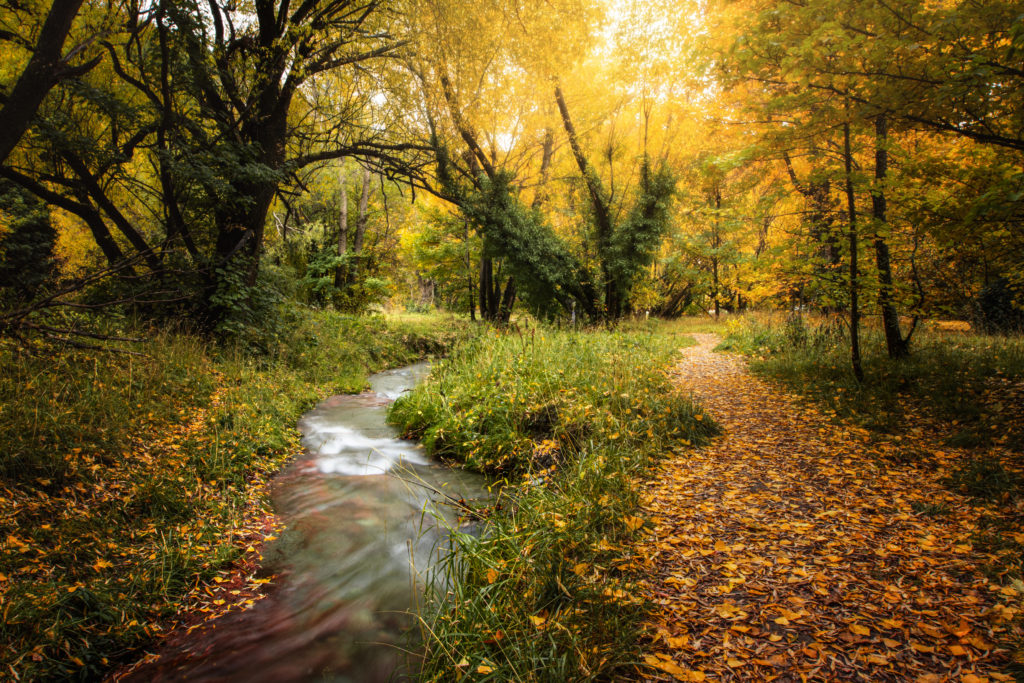
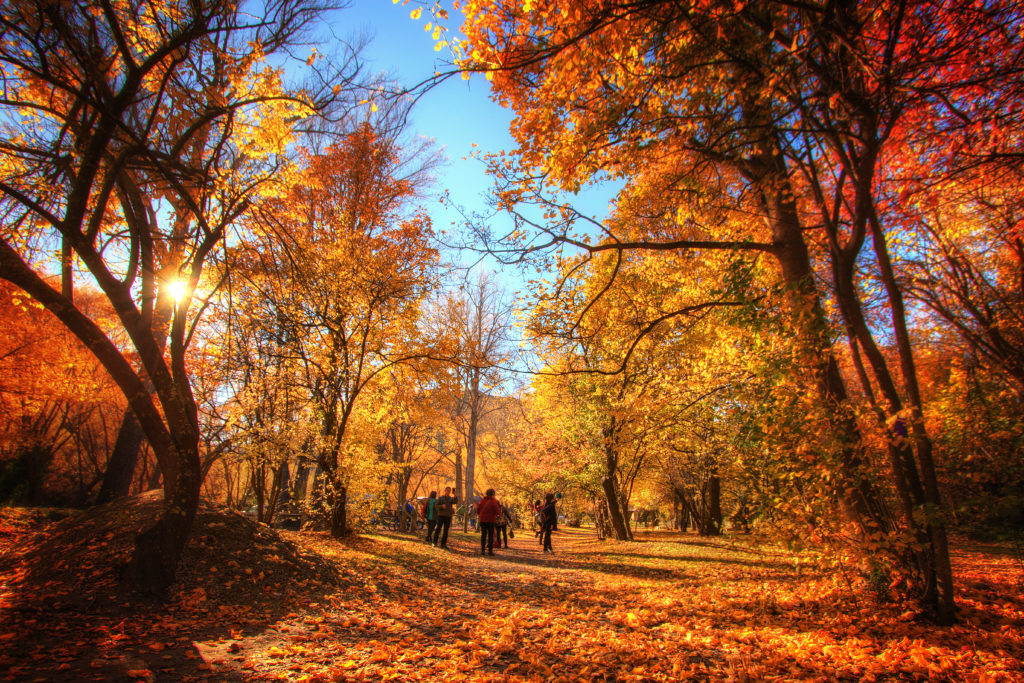
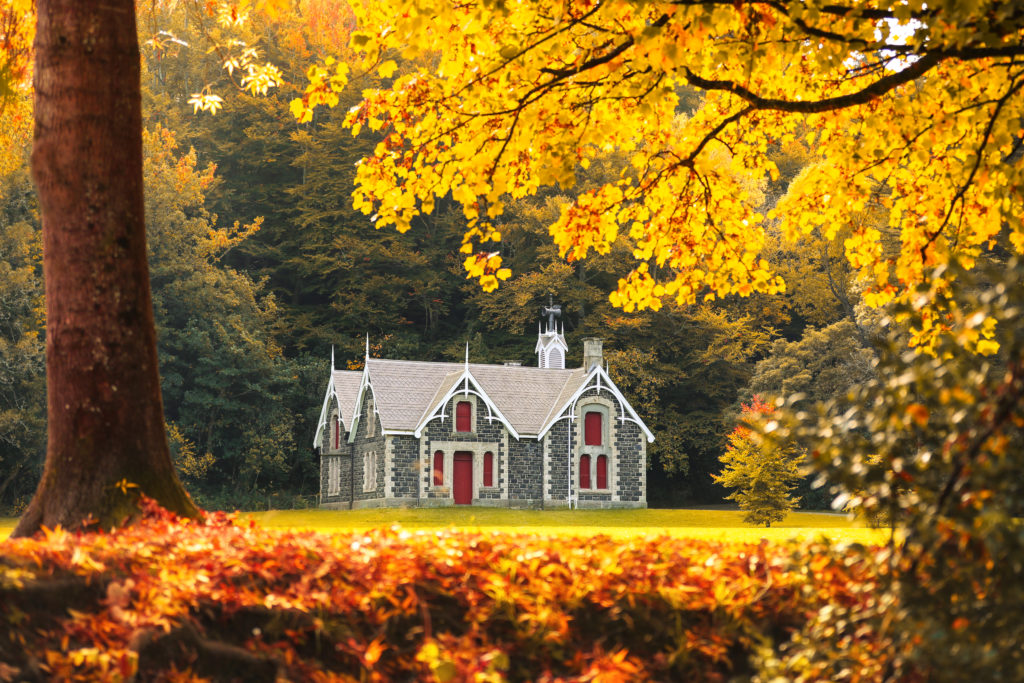
Daily Photo – Autumn in Arrowtown and Bush Creek

When Jack Tewa first found gold near the Arrow River in May 1862, it’s fair to say he would have been quite surprised, considering he was searching for lost sheep at the time. The valley of the Arrow River was so inaccessible that, for some time, the first miners had the place all to themselves. That was until their closely guarded secret was discovered by the rest of the world, and a canvas town sprang up almost overnight, yet getting there was no easy task.

During the 1860s gold rush, getting to the town we now know as Arrowtown, or Fox’s as it was known back then, was a gruelling test of endurance. Located in the Wakatipu Basin, it was one of the most inaccessible regions in the country and, before the development roads, miners used a combination of river trekking, mountain scaling, and sheer determination to get there.

The most common route was to travel to Cromwell and follow the banks of the Kawarau River through deep gorges and past vertical rock walls that were little more than narrow ledges high above the ferocious river. For those coming from the Cardrona Valley, the most direct path was also the steepest, over the rugged and often snow-covered Crown Range. Another common approach was via a steep ridge track that climbed out of the Kawarau Gorge and bypassed the dangerous river bluffs; this path was called the ‘Gentle Annie’. It was a punishing and brutal climb that was anything but gentle. Yet another completely different route was taken by those choosing to travel via Lake Wakatipu. They would trek to the town of Kingston at the southern end of the lake, take a boat to Queenstown, and walk the final 20 kilometres across the Frankton Flats to reach the Arrow River in the Wakatipu Basin.

Getting to the Arrow River was a brutal journey and not for the faint-hearted. It would be some time before anything resembling a road was created and, when they were, things didn’t get any easier. Wagons had to be dragged axle-deep through mud by teams of up to eighteen horses.

Life at the Arrow River was anything but idyllic and a far cry from the picturesque scene. In the early 1860s, miners arrived to find it loud, dirty, and physically grueling, a long way from the “Golden Arrowtown” we know today.

Curious for more? Explore more from a Small City.

Click here

An Autumn Stroll in Broad Bay

Daily Photo – Otago Harbour from Broad Bay Cemetery

When I set out in the morning it hadn’t been my intention to end up standing on the point in Broad Bay Cemetery taking a nine-photo panorama of Otago Harbour, but there you are. Earlier in the day, a friend of mine had said that he was ‘heading down the peninsula to run a few errands’ and asked if I wanted to be dropped off somewhere for a walk around, then collected a few hours later on the return journey. With no particular plans on a warm, still autumn afternoon, I happily agreed.

It wasn’t until we were well underway and I was asked ‘where I wanted to be dropped off’ that I suddenly realised I had no idea.  So, we agreed that the Broad Bay Boat Club was as good a place as any and, as I watched the vehicle disappear down the road and around the bend, I set off on my wander.

Curious for more? Explore more from a Small City.

Click here

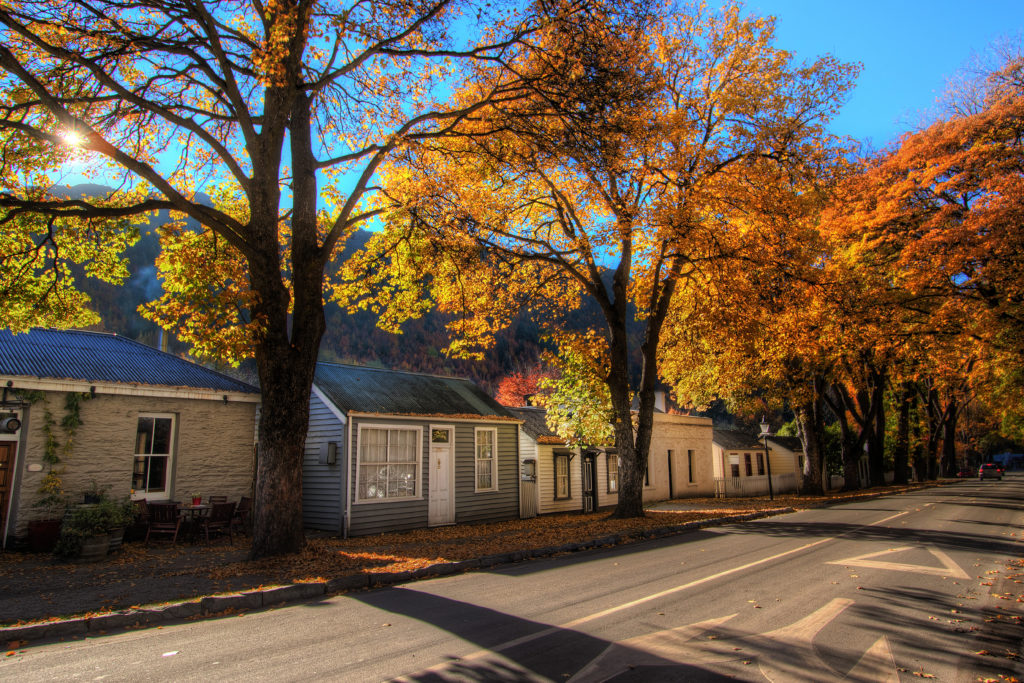
The Miners’ Cottages of Arrowtown.

Daily Photo – The Miners’ Cottages of Arrowtown

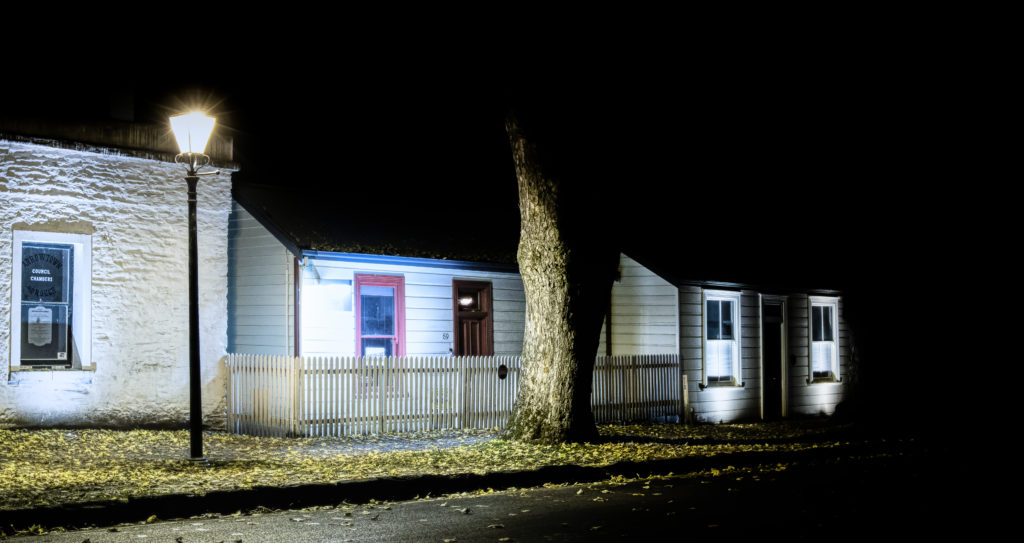
Before we leave the charm of Arrowtown, a place whose very existence feels almost like a fable, let us visit Buckingham Street and the historic row of gold miners’ cottages. In the early years of the gold rush, most European miners were not living comfortably in neat wooden cottages; many were in tents, rough shacks, or whatever shelter they could throw together.

These tidy weatherboard cottages seen in Arrowtown today often appeared slightly later, once the town stabilised and miners and business owners had made enough money to build something more permanent. So, it’s tempting to picture European miners settling into solid wooden cottages while Chinese miners made do with rough stone huts exposed to the elements by a creek, but the truth is a bit messier. Most miners started out rough, but over time built more permanent structures like the ones lining Buckingham Street, using milled timber and corrugated iron, materials that were more expensive and durable. The Chinese miners, arriving later and working the leftovers, rarely had that same chance. The contrast between the two styles of housing tells a significant story about the social and economic divisions of the 1860s and 70s Otago gold rush.

And with that sobering thought, I left the autumnal flow of beauty announcing itself loudly across the Arrowtown basin, heading for State Highway 6, which would take me past the Nevis Bluff, through the Kawarau Gorge, and on to Cromwell, Lake Dunstan, and the sedate town of Alexandra.

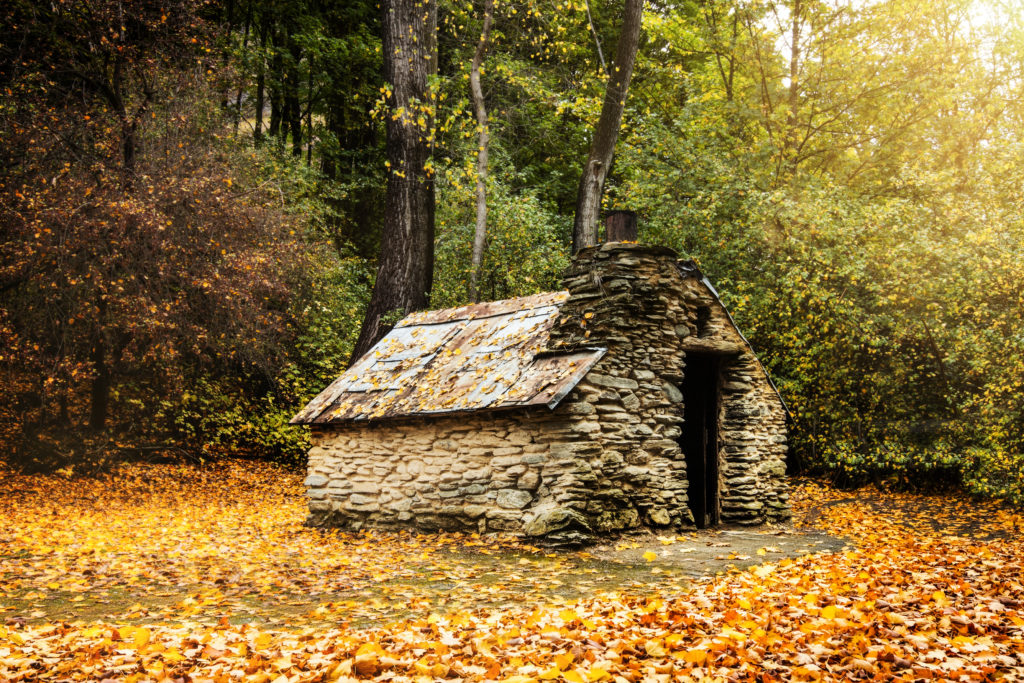
Small Huts, Harsh Lives & Arrowtown’s Chinese Settlement

Daily Photo – Small Huts, Harsh Lives & Arrowtown’s Chinese Settlement

I went to the historic Chinese Settlement in Arrowtown. It was early, and I expected it to be busy, but it wasn’t. I had the whole place to myself, which was a lovely surprise. I spent the time, as I often do in these situations, imagining that I had to pick one to live in. It was a hard choice, and even harder to imagine living in one through a Central Otago winter.

It would have been a gruelling test of endurance. These small, windowless dwellings offered little insulation against the biting frost and snow, relying on a small hearth for both warmth and cooking. The cramped space would have been damp and dimly lit, making for a lonely existence during the long, freezing nights. If anything, it speaks volumes about their character, even more so when combined with the harsh treatment they received from the wider community.

The hypocrisy of the European miners, particularly those who had arrived from the Victorian goldfields, was quite something to behold. On the one hand, many communities viewed the Chinese miners as “aliens”, fearing that if they were not Christianised, they would somehow become an “evil” influence, tainting the region. Furthermore, their preference for congregating in gambling houses or opium dens was heavily frowned upon.

However, when one compares these relatively unobtrusive vices to the behaviour of many Europeans, whose daily exhibitions in grog tents, street brawling, pothouse pugilism, and general public lewdness were common occurrences, it becomes clear there were much larger social issues to worry about than a few gambling debts and the odd smoking pipe.

Autumn in Arrowtown’s Historic Chinese Settlement

Daily Photo – Autumn in Arrowtown’s Historic Chinese Settlement

In 1865, when the initial excitement of the Otago Gold rush had settled and many of the miners had drifted to other gold fields, the Dunedin Chamber of Commerce decided that they wanted to keep the economy going. To do this they invited Chinese miners to the region. For many of the invited miners, the plan was simple. Spend a few years finding gold and send the money home before returning themselves. So it was that by the mid-1860’s the first of the recruited Chinese miners reached the Otago goldfields, yet what they found was not what they expected. Upon arrival they discovered they weren’t allowed to have new claims of their own and instead were told they had to pickover the abandoned European claims. Within a few years, thousands of Chinese miners could be found on the goldfields – spread throughout Central Otago and one of these locations was Arrowtown. It’s a sad tale really because many of the miners never made anywhere near enough money to send home. In fact, many of them never made it home. Penniless and persecuted by many of the Europeans, a large number of those who were invited to the Otago goldfields never saw their families again. 

I visited the Arrowtown Chinese Settlement in the full throws of an autumn blanket. Not being allowed to settle in the main village, the Chinese community set up homes and market gardens on the outskirts of the town beside the river. Now, not more than a 5 minute walk from the town’s main street, the historic village and surrounding tracks twist and turn through trees, past streams and the nearby Arrow River. It really is quite special.

Fire, Fortune and Queens Garden Court

Daily at 6am from a Small City

Discovering small towns, forgotten points of interest and the everyday curiosities of my island home.

The Great KitKat Caper

The other day, while browsing through the local paper, I came across an interesting news story involving twelve tons of Nestlé KitKat chocolate, a delivery truck, and a group of thieves. The story begins in central Italy, where a truck set off on a mission to dispatch a batch of the Swiss company’s new Formula One-branded chocolate treats throughout Europe, only it never arrived at its final destination in Poland. It seems that somewhere en route, both the vehicle and the chocolate simply disappeared. In fact, at the time of writing, they remain unaccounted for. Now, just what someone would do with 413,793 bars of KitKat, I just couldn’t say.

Daily Photo – Queens Gardens and a Building with a Story

I’d been wandering through the various alleyways and short, twisting streets that make up part of the inner city when I came across a cluster of historic buildings sitting just south of Queens Gardens. One of them is known as ‘Queens Garden Court’. The building was originally constructed for the New Zealand Insurance Company, which itself had a rather auspicious beginning.

If there is one thing early colonial towns excelled at, it was catching fire at the most inconvenient moments. Auckland in 1858 was a fine example, when a particularly enthusiastic blaze tore through the settlement and left its residents with little more than ashes and a newfound appreciation for caution.

From this smoky episode came the New Zealand Insurance Company in 1859, courtesy of a group of suddenly risk-aware businessmen. Their timing was impressive. Within two years, branches were appearing across the colony, including Dunedin.

By the 1880s, Dunedin was thriving on gold-fuelled confidence and grand ideas. So when reclaimed harbour land stretching from what is now Queens Gardens toward the Oval became available, the company jumped at the chance to secure some prime real estate. Completed in 1886, the three-storey structure was larger than most of its contemporaries and just as elegant, both inside and out.

The Stillness of a Dunedin Autumn Day

Daily Photo – A walk through autumn

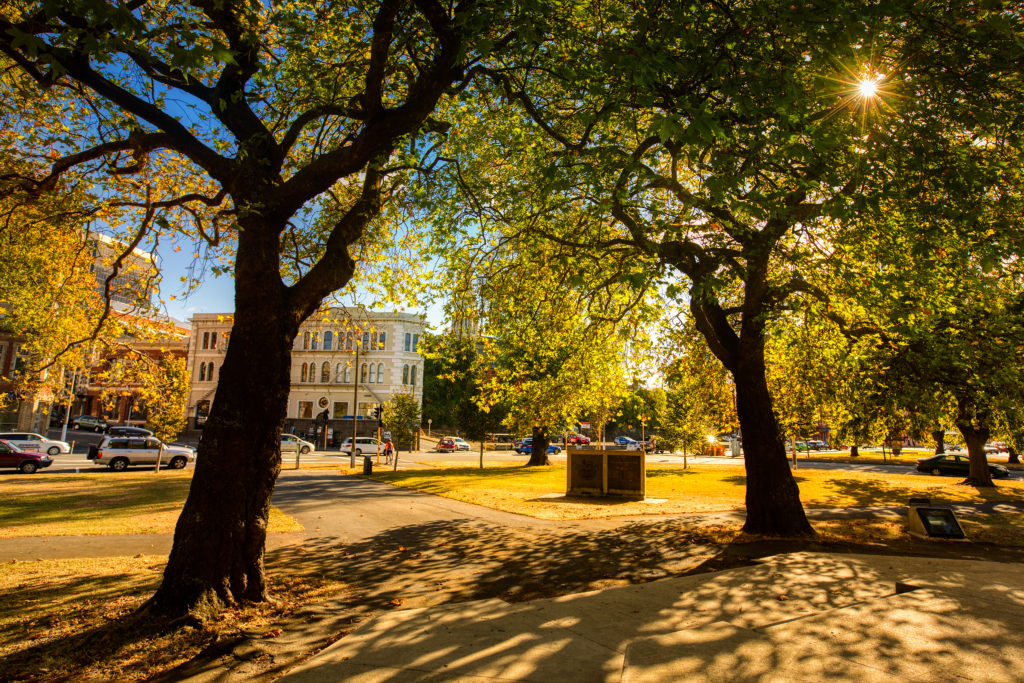
If there’s one question I seem to keep asking myself recently, it’s this: isn’t it hard not to like autumn? The other day I decided on a stroll and spent some time exploring the city, looking for autumn colour. I wandered through alleyways and side streets, searching out places I hadn’t visited in a while. Every so often, I came across unexpected shadows cast by light from curious angles.

There’s something lovely about walking through a city or town as leaves, full of colour, fall all around you. It feels quietly poetic, particularly on one of those still, slightly overcast autumn days.

Sunrises and Shoelaces

Sunrise on Dowling Street

There are two things I discovered after taking this photo. Firstly, the lady who walked past me moments before I captured this scene seemed to be having an extremely good morning, judging by the high pitched enthusiasm with which she was talking on the phone. Secondly, it was on this day in 1790 that Brit Harvey Kennedy made our lives a little easier. He patented the modern shoelace with an aglet. Thus, no longer would the fibers from shoelaces unravel. They became easier to hold and could be fed through eyelets relatively trouble-free.

From there, things got really crazy. The invention of different fibres and fabrics meant the colour of shoelaces changed. The aglet became plastic, zips and Velcro replaced the shoelace altogether, and finally, highly embellished buckles came back into fashion-where the whole thing started in the first place.

Autumn in the Octagon

Autumn in the Octagon

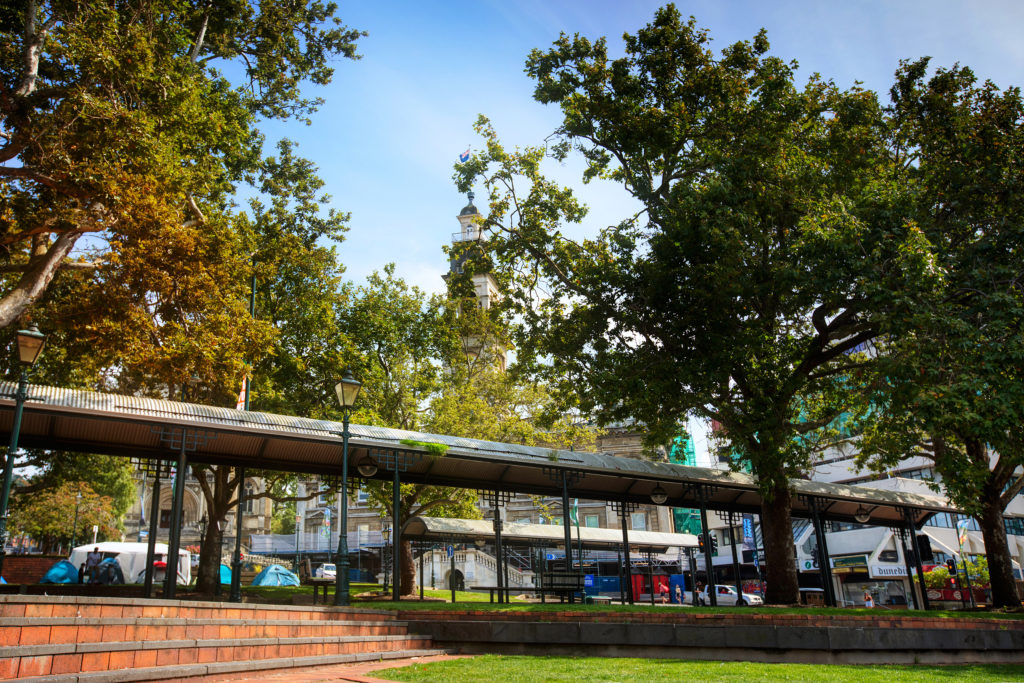
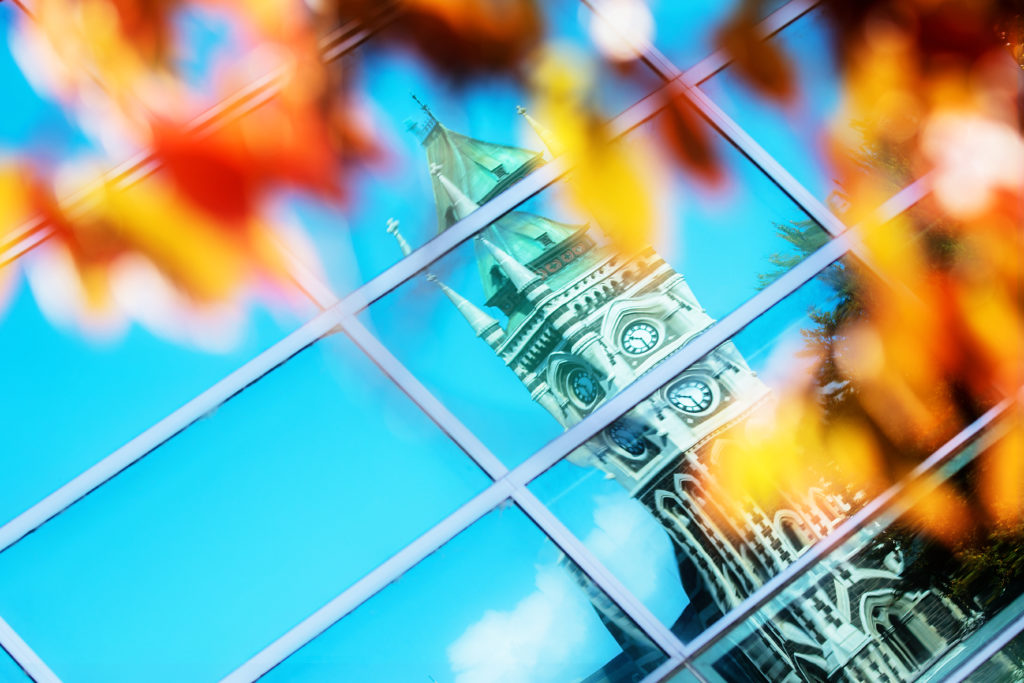
I made my way back down the hill as the Otago Peninsula rose into sight from across the harbour. Set neatly between St. Paul’s Cathedral and the nearby office blocks, the iconic clock tower of Dunedin Railway Station emerged, rising high above the harbour. In the foreground, trees from the Octagon displayed warm yellow undertones and traces of ochre and olive, scattered amongst the domed steeples of the Law Courts, Dunedin Railway Station, and The Otago Daily Times. All of this was backdropped by the calm blue waters of Otago Harbour, with distant houses and farmland stretching across the Otago Peninsula.

The Autumn Equinox

Sunset over Saddle Hill in Dunedin

If I may talk scientifically for a second-well, as scientifically as I can, there are two days every year when night and day are the same length. These are called the equinox or a solar equinox. 

That is to say, the sun appears directly above the equator, rather than north or south of it. Here in New Zealand, the autumn equinox happens in March (March 20 this year) and the spring equinox happens in September. Now, for those in the Northern Hemisphere they will obviously be reversed. What all this means is that for us folk who live in the Southern Hemisphere, the daylight hours will now be getting shorter, and for those that live in the Northern Hemisphere, the daylight hours will become longer. So, while all the nations north of the equator are heading into the spring and summer months, here in Aotearoa we’re stacking the firewood, plugging in the electric blankets, putting away the speedos and bikinis because winter is just around the corner. 

To celebrate the equinox, the official start of the autumn and winter months, and all the glorious colour that is appearing to this part of the world, I sat in the afternoon sunshine, enjoyed a beer and watched the sunset sinking below the horizon.

Dunedin’s First Chruch In Autumn

Dunedin’s First Chruch surrounded by autumn colours

One of the great things about living in a city full of hills is that there’s always a view worth the climb. The downside? Well, you actually have to make that climb. If you’re driving, it’s no big deal, but if you’re walking—which, given the choice, I usually prefer—it’s a whole different story. Still, more often than not, the effort pays off.

That’s how I found myself walking seven kilometers (four miles) across the city just for the view from the Stuart Street overbridge. It was early autumn—the kind of season that couldn’t quite make up its mind. The days still clung to the last traces of summer warmth, but the mornings carried that first real bite of chill. Around me, the city was slowly shifting into autumn mode, trees just starting to swap their greens for flashes of gold and red.

Tobins Track In Autumn

Tobins Track in autumn

Before I change direction away from autumn, I thought I’d show you a few more images that haven’t been posted on my daily photo blog. This is one I took on my Arrowtown trip while wandering the autumnal Arrowtown paths (Tobins Track) near the river and Chinese Village. It really is a colour overload at times. By the time you leave the path and head back towards the town, your eyes take a few seconds to adjust from seeing colours apart from yellow, orange and the occasional red! Is that what colour theory is?   

Former Police Cottage In Arowtown.

Butlers Green and the former Police cottage

On my last morning in Arrowtown I went for a stroll along the Arrow River Bridges Trail which on my way back, linked onto Tobins Track. A trail that gently ambles its way alongside the Arrow River. When the town came into view, I made my way up onto the Village Green before headlong on Buckingham Street. From there, I took in the view that looks out over Butlers Green to the Chinese Village and the Arrow River. From that vantage point hidden amongst the trees is a former Police Cottage. Built in 1863, the old Police hut is the oldest surviving wooden building in Arrowtown and originally located in Cardigan Street, it formed part of the Arrowtown Police Camp during the gold rush.

Jubilee Park

Jubilee Park

Thanks to a mostly empty calendar, I had several weeks at my disposal, in a fictitious kind of way. The only thing I really had to do was stay close to home in Dunedin, so as long as I didn’t go on any long overnight expeditions the time was my own. I could do anything I liked, within reason.

I decided, quite randomly, to start with a walk through Jubilee Park in the city’s town belt. This was something I had been meaning to do for a while. I’d also been wondering for some time if Queen Victoria knew she had a park named after her in Dunedin? Further to this, I wondered if there’s an official royal list that identifies every world park, estate, playground, garden and forest that is named after a royal? I’m sure that if Queen Victoria knew that Jubilee Park was named after her, she would have been quite delighted. Anyway, Dunedin’s Jubilee Park was once known as Tomlinson’s Paddock before it was renamed Jubilee Park after Queen Victoria’s Golden Jubilee in 1887. It was here that I spent a lovely morning happily wandering the various paths that twisted and turned through the bush that makes up a section of the city’s town belt. 

The route I took made its way from the car park, through a dense line of trees that circumferenced a football ground. The bank on one side was high and steep with a heavy line of trees that sloped up to the sports field, while the other side quickly slipped down to a nearby road. As the path led further into the bush, the canopy of trees widened and grew thick. Occasionally it would split, leaving me with a choice of going left or right. Sometimes the light would drop, hidden by the thick foliage. Other times the sunlight would stream through the trees and bounce off the autumn vegetation. 

The path drew to a junction where three of four different paths met and the fallen leaves had overtaken the forest floor. Surveying my options, I could either head down the hill toward a path I hadn’t yet explored, or follow the path I was on to the top of the hill, back to the sports ground and eventually my car. I stood and looked at my surroundings, from time to time leaves would fall and land both on me and near me. At this moment, I realised I wasn’t quite ready to be back at my car just yet, so I headed down hill. The next hour or so was spent in this manner. Walking paths I hadn’t walked in a very long time, criss-crossing my way around Jubilee Park and the nearby town belt in the glistening afternoon sun.

Jackson’s Inlet, Lake Dunstan

Jackson’s Inlet, Lake Dunstan

At about the time in my podcast that Ms Patterson (The Mushroom Cook) was discovering that the Australian police were a little suspicious about her actions and that she would be facing charges of both murder and attempted murder, I was coming into view of Lake Dunstan. This was at Bruce Jackson Point, above where the old Cromwell township used to be, before the lake was formed. As I continued along State Highway 8, I now had the lake for company out of the right hand window, and a truly lovely scene it was. I rounded a bend and was greeted by a serene view of the lake. It was placid and tranquil as the mid-morning sun took over the surrounding hills that once formed the Cromwell Gorge. Not being able to resist, I called in to a picnic area at Jackson’s Inlet for a closer look. 

When I arrived an elderly couple were just packing up a picnic that they had been having under a row of Poplar trees. The trees were covered in golden leaves, glowing in the mid-morning air and not a breath of wind was out on the lake. It looked rather pleasant and somewhat idyllic. Standing on the shoreline, looking out to my picturesque and blissful surroundings, I found myself for the second time that morning tempted to start negotiating a time of departure. Alas, aware that I had a prior appointment to get to in Dunedin, I went back to my car and rejoined the line of traffic that was snaking its way past Lake Dunstan to Clyde and further on Alexandra. 

Arrowtown

Autumn in Arrowtown

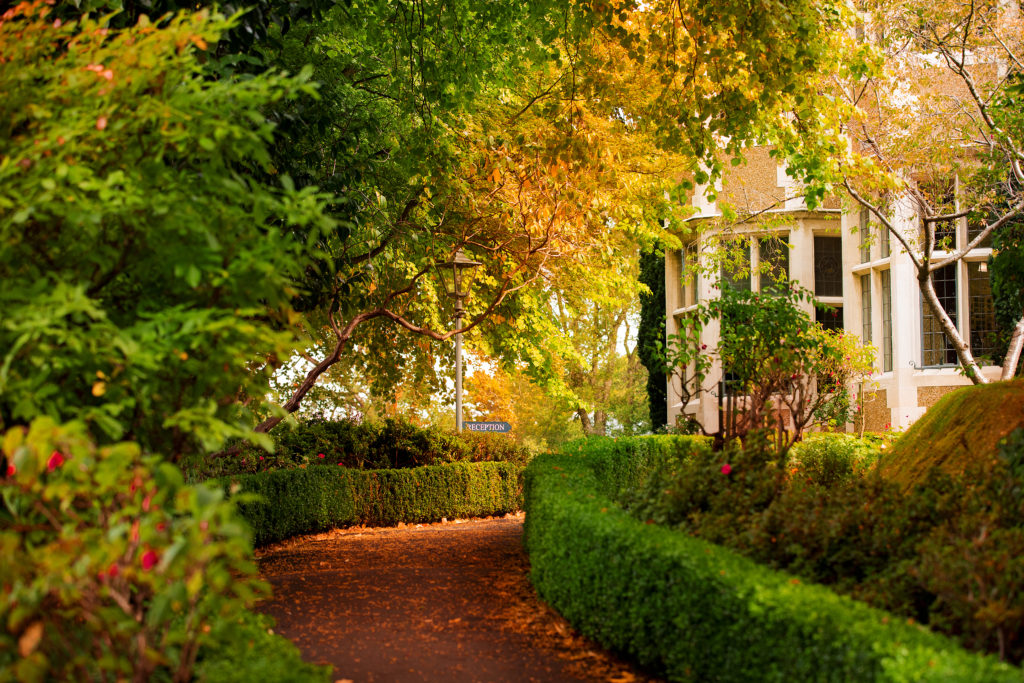
The next morning I decided to start the day with a stroll through some autumn leaves. It was one of those cool, clear autumnal mornings where everything was covered in dew. I noted that before too long, on mornings like these a heavy frost would have settled over night. It was clear that winter was approaching so, I was pleased to be able to enjoy my surroundings as I walked along the banks of the Arrow River. Eventually, after a number of scenic distractions, I pointed myself towards my intended target. The historic Chinese Village in Arrowtown. 

In 1865, when the initial Otago Gold rush had settled, many of the miners ventured to other gold fields. Such as on the West Coast of the South Island. So, the Dunedin Chamber of Commerce decided that they wanted to keep the economy going. To do this they invited Chinese miners to the region. For many of the invited miners, the plan was to send large amounts of money home before returning themselves in a few years. So it was that by the mid-1860’s the first of the recruited Chinese miners reached the goldfields in Otago. When they arrived, they discovered they were not allowed to have claims of their own, instead being granted permission to pickover the claims European miners had abandoned. By 1876, around 4000 male Chinese could be found on the goldfields. Spread over a number of locations throughout Central Otago, one of these locations was Arrowtown. It’s a sad tale really, as many of the miners never made anywhere near enough money to send home. In fact, many of them never made it home. Penniless and persecuted by many of the Europeans, a large number of those invited to the Otago goldfields died, never seeing their families again. 

The last time I visited the Chinese Village in autumn, everywhere was covered in a blanket of colour. An autumn palette of orange, red and ochre had taken over and there was something very tranquil and surreal about the whole scene. I was very much looking forward to seeing it once again. When the Chinese miners first arrived at the gold fields to work claims that had been abandoned, they weren’t allowed to settle in the main part of the village. Instead they set up homes and market gardens on the outskirts of the town beside the river. Not more than a 5 minute walk from the town’s main street, the Chinese Village and associated tracks beside the river used to be separated by a number of paths that twisted and turned through the trees and past streams until you reached the main car park. From there, the main shopping area was a short walk past buses and vehicles of various sizes circling the town looking for a parking spot. 

In my walk to the Chinese Village, I discovered that In recent years, to solve this problem and to provide enough parking spaces for the overflow of traffic that arrives each day, the main car park has been extended towards the river. This now means there is no separation between the carpark and the scenic vistas that people have come to see. So, while there is ample room for all the daily traffic, it also means you can step straight out of your vehicle and onto a walking track. You can stroll by the Arrow River or stand by landmarks of national significance while a campervan parks right beside you or you can watch families disembark from their SUVs as the kids squabble over who’s turn it is with the iphone! There really is nothing like having a gleaming white SUV as a backdrop for a piece of 1870’s history. Feeling a little disappointed that some of the tranquillity had been lost, I meandered back through the car park and went in search of a bakery for some morning sustenance. 

A short time later, I found myself standing in a short but busy line making a careful selection from the menu on the wall behind the counter. When at last my turn came, I approached the counter and said “good morning” in the friendliest voice I could muster, while realising this was the first person I had spoken to in 12 hours! “How can I help?” came a direct yet short tone that suggested urgency and speed was paramount. Placing my order at speed that I hoped would satisfy the lady standing behind the counter, paid and waited for the transaction to complete. I waited and waited and waited as the machine whirled. I waited and waited and waited yet the machine didn’t seem to want me to leave. As I continued to wait, I could feel the unease and grumblings of the customers behind me that were being held up. I could sense their frustration and annoyance at this idiot at the front of the line as the machine continued to whirl. Just as I was considering cancelling the order (out of embarrassment as much as anything else), the machine announced ‘approved.’

Feeling a sense of relief and having held up a line that was now snaking out the door, I collected my things, apologised to everyone and scurried out onto the street hanging my head in shame! Clutching a fresh cup of coffee and a Cinnamon Scroll, I headed to my car with a mind to enjoy the fresh morning air of Lake Hayes, and that’s where I headed next.

Autumn On The Otago Peninsula

The Otago Peninsula 

As I was standing looking out to the South Pacific Ocean, it occurred to me that autumn was most definitely taking hold. The warm evenings of summer had disappeared, only to be replaced by changeable weather patterns that not only brought with it cooler temperatures but also more frequent spells of wind and rain. I continued along the track, pausing for a moment to look out over a farm field that stretched down a slope and eventually stopped where the horizon met the ocean. I had the place all to myself and it was threatening to rain.

Arrowtown’s Historic Miners’ Cottages

Arrowtown’s European miners’ cottages

Having spent the afternoon photographing a local rugby match at Jack Reid Park in Arrowtown, I retired to my hotel where I showered and changed, reorganised my gear and went in search of a local pub. Several minutes later, I found a local establishment that I decided needed further investigation. I went inside, went about making myself comfortable and invested some time in testing several pints of beer while at the same time demolishing a pulled pork burger and successfully managing to drip BBQ sauce down my top. It was while I was contemplating whether I should attempt to clean my top or test another pint when the bar staff made the surprising announcement of last orders!  Wondering if I had missed something I checked my watch to find it was all of 9:05pm. Still trying to make sense of the fact that the pub was shutting at 9:00pm on a Saturday night, several minutes later I found myself standing on Buckingham Street with half an hour to kill before the Highlanders game kicked off. So, with four pints to the wind, a full stomach and the night air starting to feel a little crisp, I decided I might as well put the time to good use and headed in a mostly straight line in search of some historic gold miners’ cottages to see if I could drink and click!

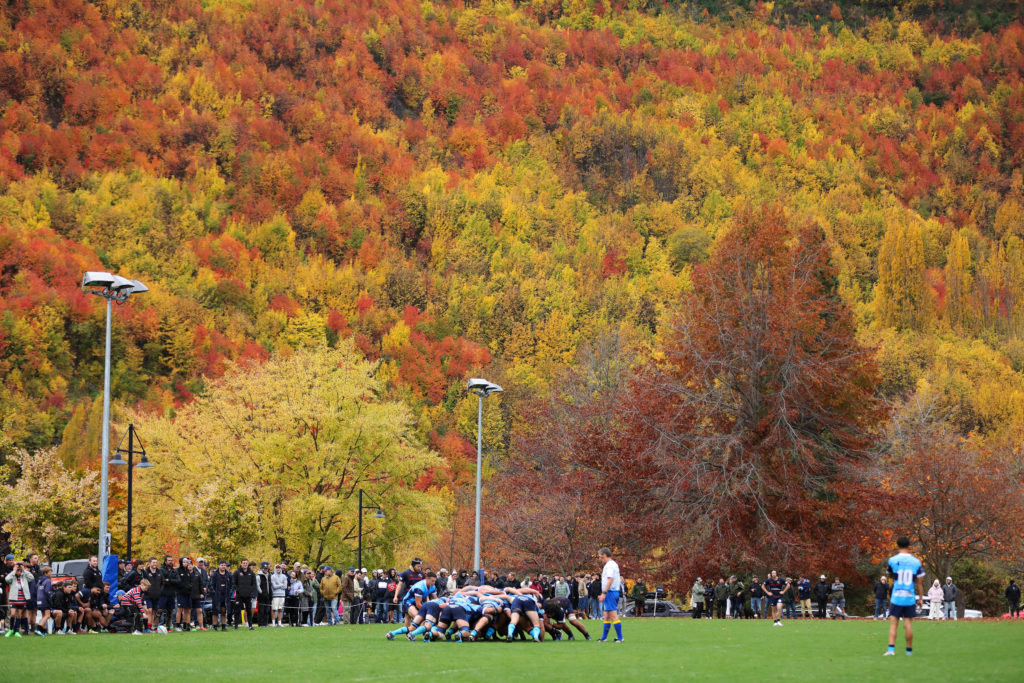
Jack Reid Park

Arrowtown v Wakatipu (13.04.24)Jack Reid Park in Arrowtown

The other day I was in Arrowtown to cover a local rugby match between Arrowtown and Wakatipu that was being played at Jack Reid Park. These aren’t two heavyweights of New Zealand rugby you’ll understand, simply two local teams that have a fierce rivalry. Whenever they play it’s called “the battle of the basin” and it always draws a big crowd and Saturday’s match was no exception. For the record, Wakatipu won 27 to 19 with low misty rain and clouds hanging around for most of the day. However, late in the match the cloud cover did clear enough for the hillside which provides the backdrop to Jack Reid Park to be exposed with all its autumn glory. As far as backgrounds go there aren’t many rugby grounds in the world that can top Jack Reid Park in autumn.

Welcome To Autumn

Autumn in Dunedin

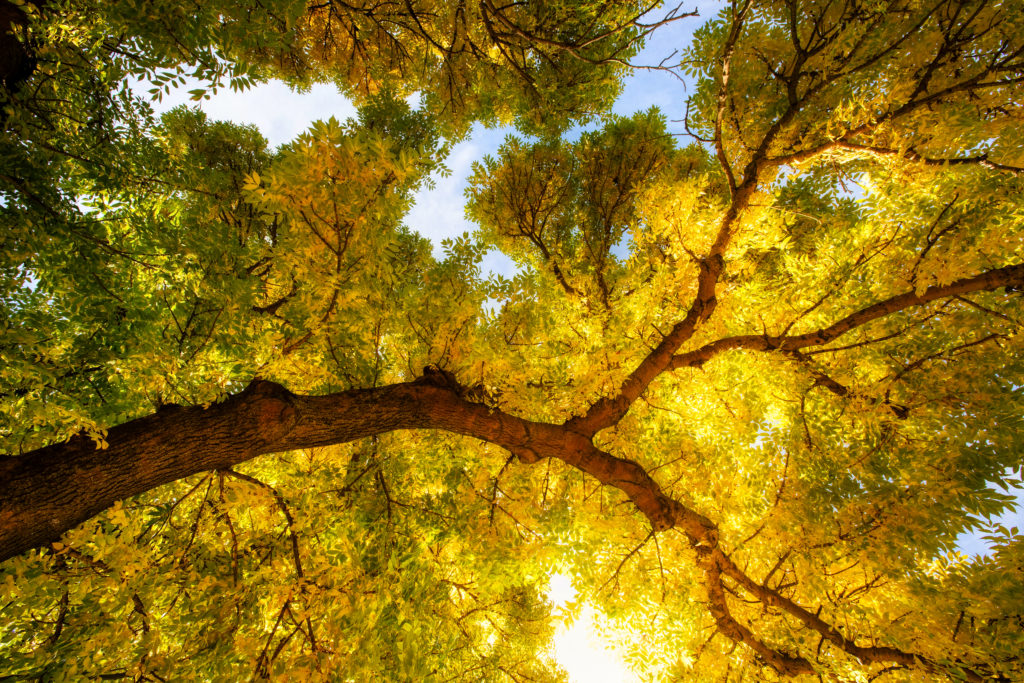
Here in this part of the world it’s that lovely time of year when all the colours of trees start to change. The sun is now a fraction lower in the sky, the mornings and evenings are becoming a tad colder with a definite autumnal feel to the start of each day. Around the city, the autumn colour palette of warm yellow undertones mixed with oranges, reds, ochre and olive colours is starting to appear. Before long the inner city will be covered in leaves.

Moody Morning In Dunedin

Corner of Moray Place and Princes Street

The previous evening a wonderful and very impressive thunder storm passed over the city. At some point it was accompanied with heavy rain and a great deal of wind. The next morning, while the thunder and lightning had passed, a set of heavy, dark clouds was left hanging over the city. The forecast for the day involved an awful lot of wind, more rain and a high of 10 or 11 degrees. Perfect conditions for those heading to the Pink concert that evening.

Arrowtown Autumn Colour

Arrowtown autumn colour – Buy 

It was a sunny May day, yet at this time of year in Central Otago, the warmth that the sun brings can be fleeting. Winter was just around the corner and in the small town of Arrowtown, pockets of autumn colour were still visible. Fairly shortly the area would start to take on a distinctly winter feel however, for now I decided to enjoy the last of the autumn leaves.

Autumn Reflection At Lakes Hayes

Autumn reflection at Lakes Hayes – Buy 

What a tranquil place Lake Hayes is. For the life of me, I can’t recall ever seeing it anything but placid and serene. Even when the weather has been miserable, all around the lake manages to remain reposeful. I’ve seen it when it’s windy, when it’s raining, when it’s hailing and snowing. I’ve seen it in the morning and the evening, at dawn and at dusk yet it really is quite remarkable how untroubled it always seems. I wonder why that is!

Autumn In Roxburgh

Autumn In Roxburgh – Buy 

Isn’t it hard not to like autumn? There are so many reasons why it is just a wonderful season, the least of which is seeing the colour change on the trees throughout the month. There’s something lovely about walking through a city or town as leaves full of colour fall all around you. It’s a very poetic feeling, particularly when it’s one of those still, slightly overcast autumnal days.

Lunch In Arrowtown

Arrowtown – Buy 

I had lunch just as the day in Arrowtown was starting to collect itself. The morning had started with subzero temperatures creating a thick layer of frost over the town and virtually everything in it. Now, several hours later with the sky a clear and brilliant blue and the sun being a welcome source of warmth, I found myself in a delightful cafe having brunch. Actually, I wasn’t as much in the cafe as I was outside in the garden, which was equally as delightful and rather splendid as the sun took hold. 
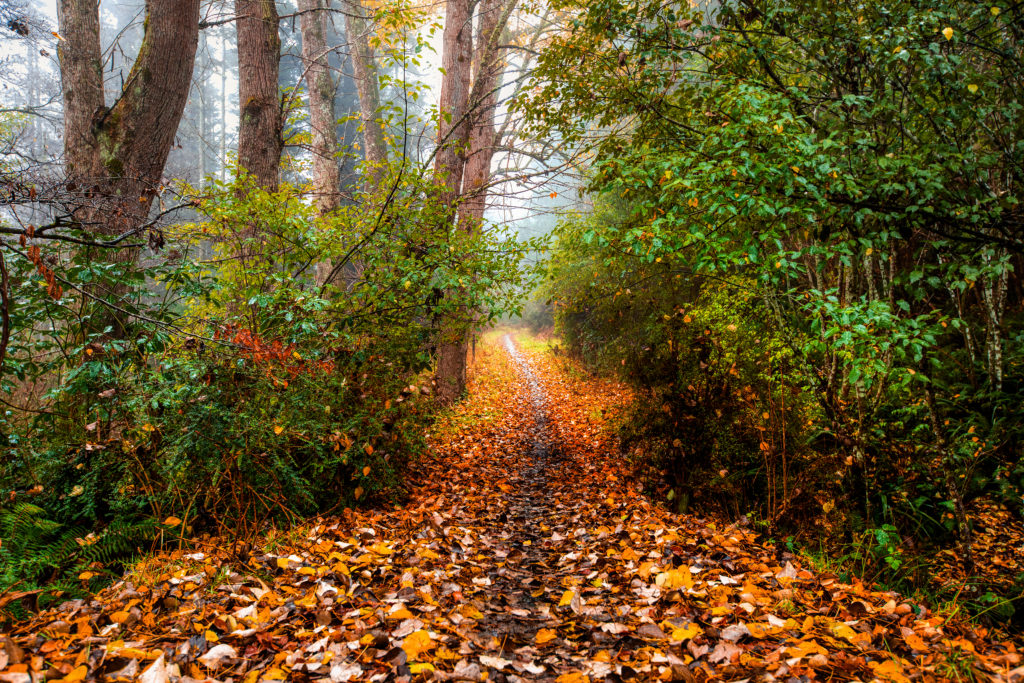
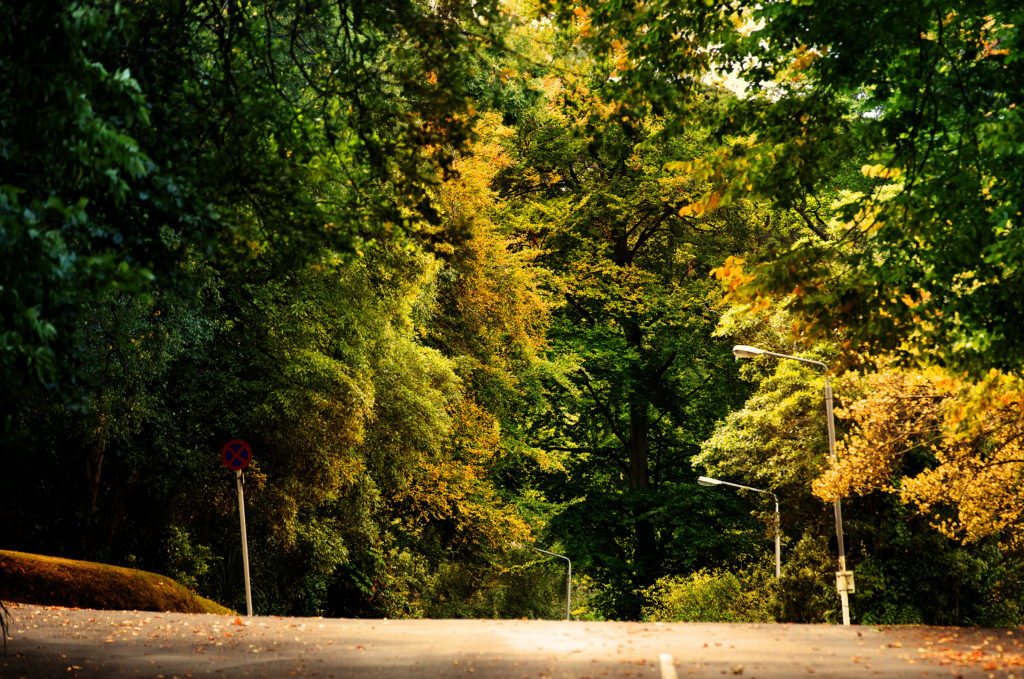
Earlier that morning having been for a walk in the cool morning air, I decided to see what Trip Advisor was advising regarding the local eating establishments while the town defrosted. So, after some toing and froing and a rather lengthy period of indecisiveness, I decided to make my way to a place called Provisions of Arrowtown. There, I found my way to a table in the lovely garden and enjoyed a splendid brunch surrounded by a wonderfully restored cottage that dated back to the 1870’s and the Arrowtown goldrush era. 

Having no immediate plans for the rest of the day, apart from vacating my table which was clearly wanted by a number of hungry visitors, I decided to ponder what to do next as I walked the town streets

View From Lawyer’s Head

View From Lawyer’s Head Buy or view the Ōtepoti | Dunedin gallery

At first glance it seemed rather windy, which turned out to be wrong. It was actually extremely windy and for the life of me I could work out why I was there! The only reason I stayed in my position among the long grass, sheltering from the wind, was because having walked there it seemed a bit pointless to leave without taking a photo.

Matanaka Farm Buildings

Matanaka Farm BuildingsBuy or view the Ōtepoti | Dunedin gallery

I returned to Matanaka for no reason other than curiosity got the better of me. I had been driving through the township of Waikouaiti, when I suddenly found myself turning off the main highway and passing by farm fields, a golf course, a horse racing track and a beach before arriving at the Matanaka visitors car park. After a short stroll along a fence line, through a group of eucalyptus trees and passing some very unfriendly looking sheep my destination appeared in front of me. That being a group of farm buildings that is thought to be New Zealand’s oldest surviving farm. 

The oddest thing about the farm buildings that remain at the Matanaka farm is that they are there at all. Considering original owner Johnny Jones could have chosen anyway for his farm in 1838, it’s curious that he chose such an isolated and exposed place.