Daily Photo – More Autumn Vibes from the Arrow

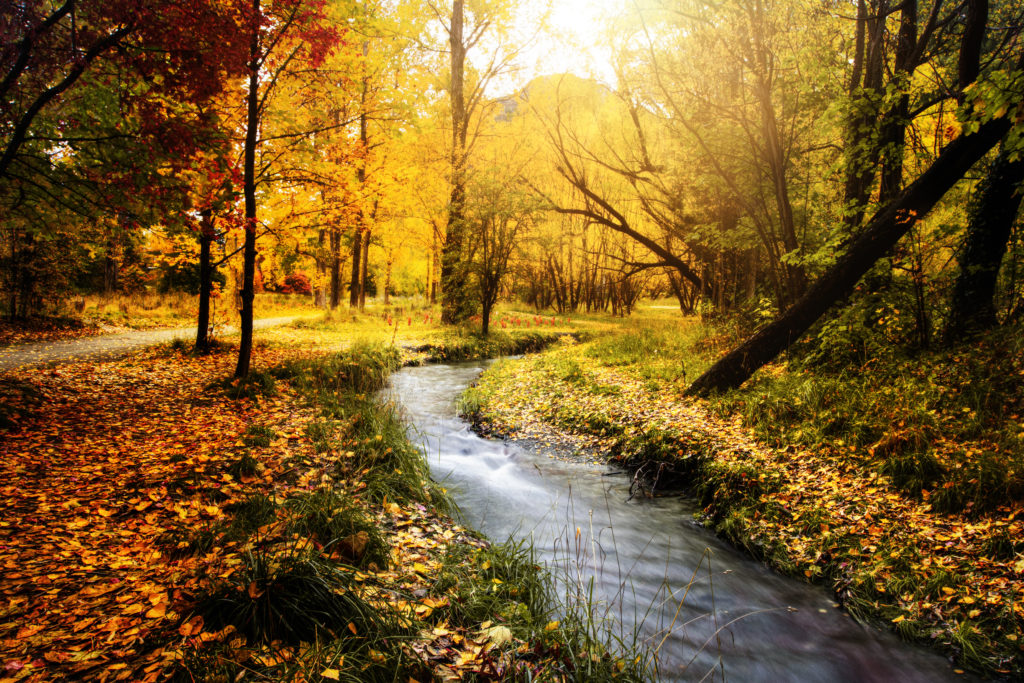
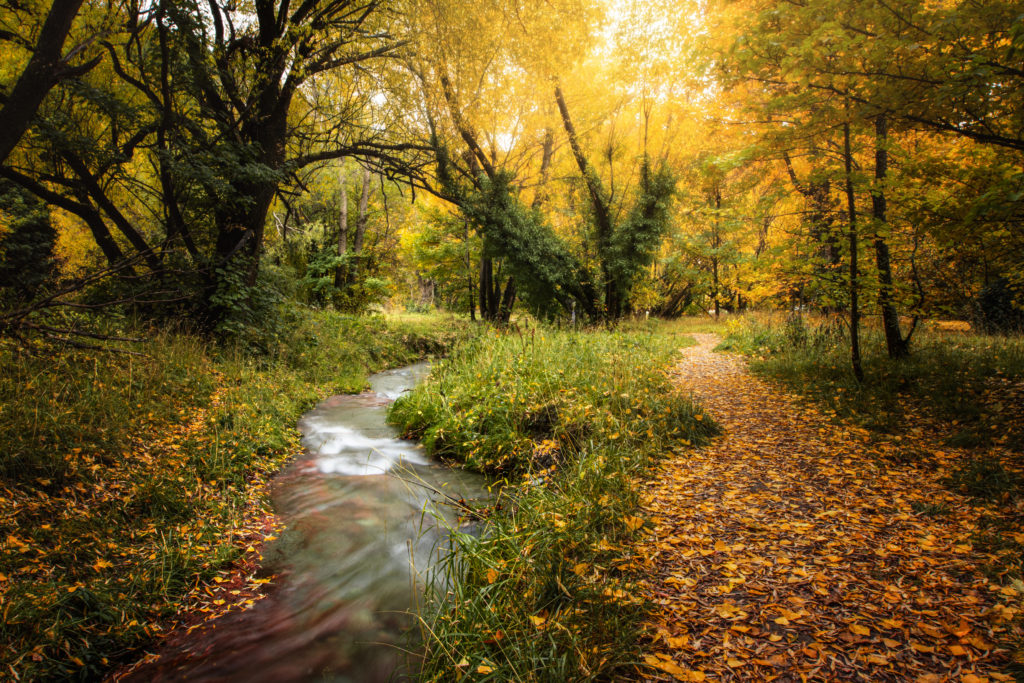
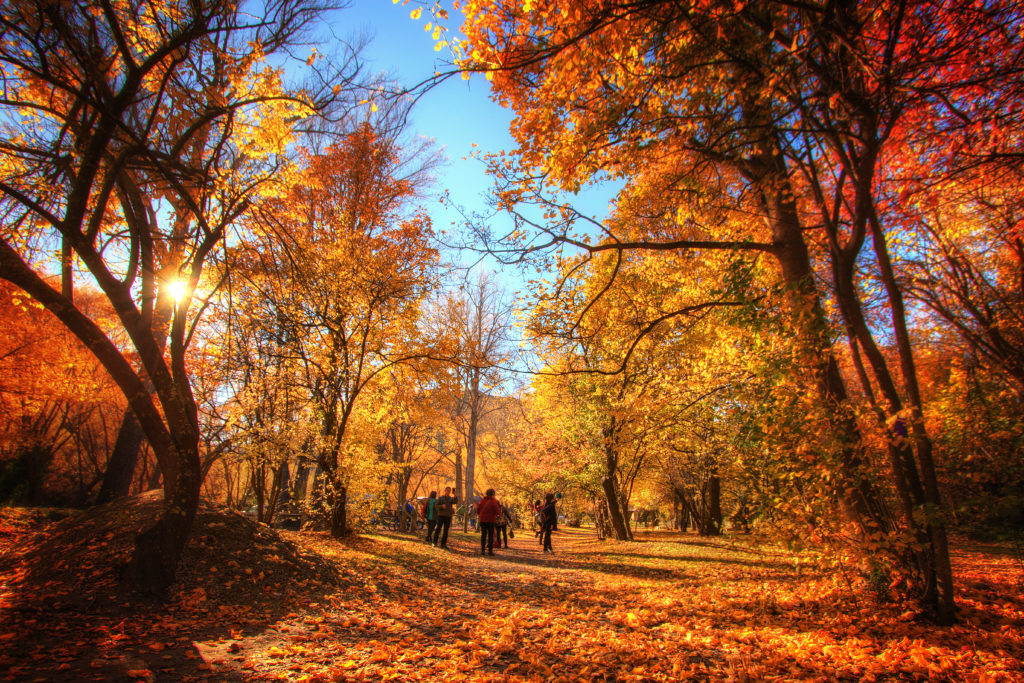
I amble along the ancient path, my boots crunching the fallen gold, each leaf a discarded script of the Arrow’s autumn verse.
Curious for more? Explore more from a Small City.

· · ·

I amble along the ancient path, my boots crunching the fallen gold, each leaf a discarded script of the Arrow’s autumn verse.
Curious for more? Explore more from a Small City.

When Jack Tewa first found gold near the Arrow River in May 1862, it’s fair to say he would have been quite surprised, considering he was searching for lost sheep at the time. The valley of the Arrow River was so inaccessible that, for some time, the first miners had the place all to themselves. That was until their closely guarded secret was discovered by the rest of the world, and a canvas town sprang up almost overnight, yet getting there was no easy task.
During the 1860s gold rush, getting to the town we now know as Arrowtown, or Fox’s as it was known back then, was a gruelling test of endurance. Located in the Wakatipu Basin, it was one of the most inaccessible regions in the country and, before the development roads, miners used a combination of river trekking, mountain scaling, and sheer determination to get there.
The most common route was to travel to Cromwell and follow the banks of the Kawarau River through deep gorges and past vertical rock walls that were little more than narrow ledges high above the ferocious river. For those coming from the Cardrona Valley, the most direct path was also the steepest, over the rugged and often snow-covered Crown Range. Another common approach was via a steep ridge track that climbed out of the Kawarau Gorge and bypassed the dangerous river bluffs; this path was called the ‘Gentle Annie’. It was a punishing and brutal climb that was anything but gentle. Yet another completely different route was taken by those choosing to travel via Lake Wakatipu. They would trek to the town of Kingston at the southern end of the lake, take a boat to Queenstown, and walk the final 20 kilometres across the Frankton Flats to reach the Arrow River in the Wakatipu Basin.
Getting to the Arrow River was a brutal journey and not for the faint-hearted. It would be some time before anything resembling a road was created and, when they were, things didn’t get any easier. Wagons had to be dragged axle-deep through mud by teams of up to eighteen horses.
Life at the Arrow River was anything but idyllic and a far cry from the picturesque scene. In the early 1860s, miners arrived to find it loud, dirty, and physically grueling, a long way from the “Golden Arrowtown” we know today.
Curious for more? Explore more from a Small City.

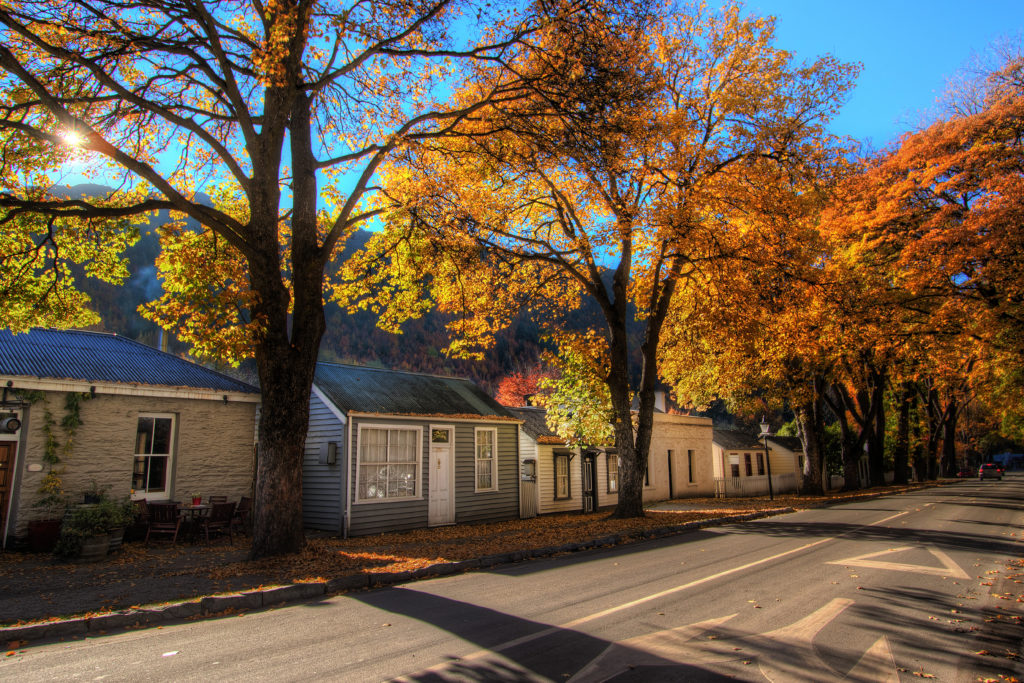
Before we leave the charm of Arrowtown, a place whose very existence feels almost like a fable, let us visit Buckingham Street and the historic row of gold miners’ cottages. In the early years of the gold rush, most European miners were not living comfortably in neat wooden cottages; many were in tents, rough shacks, or whatever shelter they could throw together.
These tidy weatherboard cottages seen in Arrowtown today often appeared slightly later, once the town stabilised and miners and business owners had made enough money to build something more permanent. So, it’s tempting to picture European miners settling into solid wooden cottages while Chinese miners made do with rough stone huts exposed to the elements by a creek, but the truth is a bit messier. Most miners started out rough, but over time built more permanent structures like the ones lining Buckingham Street, using milled timber and corrugated iron, materials that were more expensive and durable. The Chinese miners, arriving later and working the leftovers, rarely had that same chance. The contrast between the two styles of housing tells a significant story about the social and economic divisions of the 1860s and 70s Otago gold rush.
And with that sobering thought, I left the autumnal flow of beauty announcing itself loudly across the Arrowtown basin, heading for State Highway 6, which would take me past the Nevis Bluff, through the Kawarau Gorge, and on to Cromwell, Lake Dunstan, and the sedate town of Alexandra.

I went to the historic Chinese Settlement in Arrowtown. It was early, and I expected it to be busy, but it wasn’t. I had the whole place to myself, which was a lovely surprise. I spent the time, as I often do in these situations, imagining that I had to pick one to live in. It was a hard choice, and even harder to imagine living in one through a Central Otago winter.
It would have been a gruelling test of endurance. These small, windowless dwellings offered little insulation against the biting frost and snow, relying on a small hearth for both warmth and cooking. The cramped space would have been damp and dimly lit, making for a lonely existence during the long, freezing nights. If anything, it speaks volumes about their character, even more so when combined with the harsh treatment they received from the wider community.
The hypocrisy of the European miners, particularly those who had arrived from the Victorian goldfields, was quite something to behold. On the one hand, many communities viewed the Chinese miners as “aliens”, fearing that if they were not Christianised, they would somehow become an “evil” influence, tainting the region. Furthermore, their preference for congregating in gambling houses or opium dens was heavily frowned upon.
However, when one compares these relatively unobtrusive vices to the behaviour of many Europeans, whose daily exhibitions in grog tents, street brawling, pothouse pugilism, and general public lewdness were common occurrences, it becomes clear there were much larger social issues to worry about than a few gambling debts and the odd smoking pipe.

In 1865, when the initial excitement of the Otago Gold rush had settled and many of the miners had drifted to other gold fields, the Dunedin Chamber of Commerce decided that they wanted to keep the economy going. To do this they invited Chinese miners to the region. For many of the invited miners, the plan was simple. Spend a few years finding gold and send the money home before returning themselves. So it was that by the mid-1860’s the first of the recruited Chinese miners reached the Otago goldfields, yet what they found was not what they expected. Upon arrival they discovered they weren’t allowed to have new claims of their own and instead were told they had to pickover the abandoned European claims. Within a few years, thousands of Chinese miners could be found on the goldfields – spread throughout Central Otago and one of these locations was Arrowtown. It’s a sad tale really because many of the miners never made anywhere near enough money to send home. In fact, many of them never made it home. Penniless and persecuted by many of the Europeans, a large number of those who were invited to the Otago goldfields never saw their families again.
I visited the Arrowtown Chinese Settlement in the full throws of an autumn blanket. Not being allowed to settle in the main village, the Chinese community set up homes and market gardens on the outskirts of the town beside the river. Now, not more than a 5 minute walk from the town’s main street, the historic village and surrounding tracks twist and turn through trees, past streams and the nearby Arrow River. It really is quite special.

Buckingham Street
If there’s one change that would instantly improve Arrowtown it would be to completely pedestrianise the main street of Buckingham Street. So, it was with interest that I recently read that the local council ran a trial closing the street to traffic. In a town that is quickly becoming overrun with vehicles, it’ll be interesting to see what the future holds.
 Tobins Track in autumn
Before I change direction away from autumn, I thought I’d show you a few more images that haven’t been posted on my daily photo blog. This is one I took on my Arrowtown trip while wandering the autumnal Arrowtown paths (Tobins Track) near the river and Chinese Village. It really is a colour overload at times. By the time you leave the path and head back towards the town, your eyes take a few seconds to adjust from seeing colours apart from yellow, orange and the occasional red! Is that what colour theory is?
 Butlers Green and the former Police cottage
On my last morning in Arrowtown I went for a stroll along the Arrow River Bridges Trail which on my way back, linked onto Tobins Track. A trail that gently ambles its way alongside the Arrow River. When the town came into view, I made my way up onto the Village Green before headlong on Buckingham Street. From there, I took in the view that looks out over Butlers Green to the Chinese Village and the Arrow River. From that vantage point hidden amongst the trees is a former Police Cottage. Built in 1863, the old Police hut is the oldest surviving wooden building in Arrowtown and originally located in Cardigan Street, it formed part of the Arrowtown Police Camp during the gold rush.
 The Kawarau Gorge
Leaving the serenity of Lake Hayes, I double back to Arrowtown for one last look at the autumn colours, before starting the three hour drive to Dunedin. Before long, I had left the surrounds of Arrowtown behind, passed through Arrow Junction and the popular Gibbston Valley before getting stuck in a long line of traffic at the Nevis Bluff. The bluff is a prominent rock outcrop close to where the Nevis River meets the Kawarau River and the Kawarau Gorge begins. As I approached the bluff, up ahead a long line of traffic seemed to be building. Facing the prospect of a slow drive through the upcoming gorge, I pulled over, scrolled through a few podcasts, loaded one and set off again.
The podcast I had finally settled on came under the category of “True Crime”. It was about an ordinary Australian family, having an ordinary Sunday lunch that went terribly wrong. It centres around Erin Patterson, Australian lady from the town of Leongatha, Victoria who invited her former inlaws around for an afternoon meal. The tragedy occurred when guests at the lunch ate a Beef Wellington. Unfortunately, the dish was tainted with “death cap” mushrooms which left three people dead and a fourth in critical condition in hospital. Now, a year later Erin Patterson is facing criminal charges and an Australian journalist is following the court proceedings and releasing a weekly podcast called “The Mushroom Cook”.
So, with several hours of driving ahead of me and a juicy crime filled podcast to keep me company, I settled into a long line of traffic on the winding road that heads through the Kawararu Gorge and arrives at Cromwell.
 Autumn at Lake Hayes
I arrived at Lakes Hayes to find a man peeing in the bushes. There really is nothing like arriving at a family holiday and picnicking spot to be greeted with a bit of public urination. While Lake Hayes is relatively small as lakes go (276 hectares), it’s big enough for there to be plenty of options to park, meaning I could get well away from where he was standing. As far away as I could in actual fact.
Finding a spot that wasn’t being used as a public toilet, I abandoned my car and set off on foot enjoying my recently purchased morning sustenance. While the coffee was good, it was the cinnamon scroll that was a pleasant surprise. I hadn’t had high hopes for it but feeling the need to eat something, I gave it a go and was rather pleased with my selection. I ate as I enjoyed the still, tranquil scene in front of me.
The morning was still relatively young and the lake was as calm as a mill pond as the sun rose from behind the hills. Every so often a group of walkers would pass by, or an overly enthusiastic couple on a bike. Out on the lake in the distance a rowing crew seemed to be enjoying having the whole place to themselves, only sharing it with a scattering of ducks and a gaggle of geese that looked like they could turn ill tempered at any moment. Still, I worked on the theory that they would leave me alone, if I didn’t disturb them. An arrangement that seemed to work just fine. Finishing my nourishment, I walked for a bit taking in my surroundings. The whole lake is surrounded by mountains that remain covered in snow for most of the year once winter hits. This gives the place a spectacular dream-like feel. Enjoying the autumn colours, I could have stayed for hours. Just as I was tempted to start negotiating with myself regarding my time of departure, A campervan with markings on its back bumper indicating a recent entanglement drove past. It was closely followed by a very expensive looking SUV. It arrived and parked almost directly beside me. In an instant, three kids ejected themselves from the backseat and in the blink of an eye they were at the edge of the lake, throwing stones at the ducks and geese. Just then one of them announced they needed the toilet! I took this as my cue to leave!
 Autumn on Lake Hayes
Before I go any further with my tale, I feel it best to clear up a little confusion. Lake Hayes (or Hay’s as it was first officially named) is not named after local Arrowtown legend and notorious scoundrel Bully Hayes. Nor is it named after pioneer Ernest Hayes who settled in the Ida Valley. The lake is named after Donald Hay, an early Scottish farmer who came to New Zealand via Western-Australia and discovered the lake after surviving a winter storm and freezing conditions while sailing over Lake Wakatipu. It seems that at some point in history an erroneous ‘e’ was added to the spelling of hays between the ‘y’ and the ‘s’ giving the spelling of Hayes instead of Hay’s. My guess, and I’m just speculating here, is that local pub landlord Bully Hayes got whammed on whisky one night and told a whopping great big lie claiming the lake was named after him! Then, history and gossip did the rest.
 Autumn in Arrowtown
The next morning I decided to start the day with a stroll through some autumn leaves. It was one of those cool, clear autumnal mornings where everything was covered in dew. I noted that before too long, on mornings like these a heavy frost would have settled over night. It was clear that winter was approaching so, I was pleased to be able to enjoy my surroundings as I walked along the banks of the Arrow River. Eventually, after a number of scenic distractions, I pointed myself towards my intended target. The historic Chinese Village in Arrowtown.
In 1865, when the initial Otago Gold rush had settled, many of the miners ventured to other gold fields. Such as on the West Coast of the South Island. So, the Dunedin Chamber of Commerce decided that they wanted to keep the economy going. To do this they invited Chinese miners to the region. For many of the invited miners, the plan was to send large amounts of money home before returning themselves in a few years. So it was that by the mid-1860’s the first of the recruited Chinese miners reached the goldfields in Otago. When they arrived, they discovered they were not allowed to have claims of their own, instead being granted permission to pickover the claims European miners had abandoned. By 1876, around 4000 male Chinese could be found on the goldfields. Spread over a number of locations throughout Central Otago, one of these locations was Arrowtown. It’s a sad tale really, as many of the miners never made anywhere near enough money to send home. In fact, many of them never made it home. Penniless and persecuted by many of the Europeans, a large number of those invited to the Otago goldfields died, never seeing their families again.
The last time I visited the Chinese Village in autumn, everywhere was covered in a blanket of colour. An autumn palette of orange, red and ochre had taken over and there was something very tranquil and surreal about the whole scene. I was very much looking forward to seeing it once again. When the Chinese miners first arrived at the gold fields to work claims that had been abandoned, they weren’t allowed to settle in the main part of the village. Instead they set up homes and market gardens on the outskirts of the town beside the river. Not more than a 5 minute walk from the town’s main street, the Chinese Village and associated tracks beside the river used to be separated by a number of paths that twisted and turned through the trees and past streams until you reached the main car park. From there, the main shopping area was a short walk past buses and vehicles of various sizes circling the town looking for a parking spot.
In my walk to the Chinese Village, I discovered that In recent years, to solve this problem and to provide enough parking spaces for the overflow of traffic that arrives each day, the main car park has been extended towards the river. This now means there is no separation between the carpark and the scenic vistas that people have come to see. So, while there is ample room for all the daily traffic, it also means you can step straight out of your vehicle and onto a walking track. You can stroll by the Arrow River or stand by landmarks of national significance while a campervan parks right beside you or you can watch families disembark from their SUVs as the kids squabble over who’s turn it is with the iphone! There really is nothing like having a gleaming white SUV as a backdrop for a piece of 1870’s history. Feeling a little disappointed that some of the tranquillity had been lost, I meandered back through the car park and went in search of a bakery for some morning sustenance.
A short time later, I found myself standing in a short but busy line making a careful selection from the menu on the wall behind the counter. When at last my turn came, I approached the counter and said “good morning” in the friendliest voice I could muster, while realising this was the first person I had spoken to in 12 hours! “How can I help?” came a direct yet short tone that suggested urgency and speed was paramount. Placing my order at speed that I hoped would satisfy the lady standing behind the counter, paid and waited for the transaction to complete. I waited and waited and waited as the machine whirled. I waited and waited and waited yet the machine didn’t seem to want me to leave. As I continued to wait, I could feel the unease and grumblings of the customers behind me that were being held up. I could sense their frustration and annoyance at this idiot at the front of the line as the machine continued to whirl. Just as I was considering cancelling the order (out of embarrassment as much as anything else), the machine announced ‘approved.’
Feeling a sense of relief and having held up a line that was now snaking out the door, I collected my things, apologised to everyone and scurried out onto the street hanging my head in shame! Clutching a fresh cup of coffee and a Cinnamon Scroll, I headed to my car with a mind to enjoy the fresh morning air of Lake Hayes, and that’s where I headed next.
 Arrowtown’s European miners’ cottages
Having spent the afternoon photographing a local rugby match at Jack Reid Park in Arrowtown, I retired to my hotel where I showered and changed, reorganised my gear and went in search of a local pub. Several minutes later, I found a local establishment that I decided needed further investigation. I went inside, went about making myself comfortable and invested some time in testing several pints of beer while at the same time demolishing a pulled pork burger and successfully managing to drip BBQ sauce down my top. It was while I was contemplating whether I should attempt to clean my top or test another pint when the bar staff made the surprising announcement of last orders! Wondering if I had missed something I checked my watch to find it was all of 9:05pm. Still trying to make sense of the fact that the pub was shutting at 9:00pm on a Saturday night, several minutes later I found myself standing on Buckingham Street with half an hour to kill before the Highlanders game kicked off. So, with four pints to the wind, a full stomach and the night air starting to feel a little crisp, I decided I might as well put the time to good use and headed in a mostly straight line in search of some historic gold miners’ cottages to see if I could drink and click!
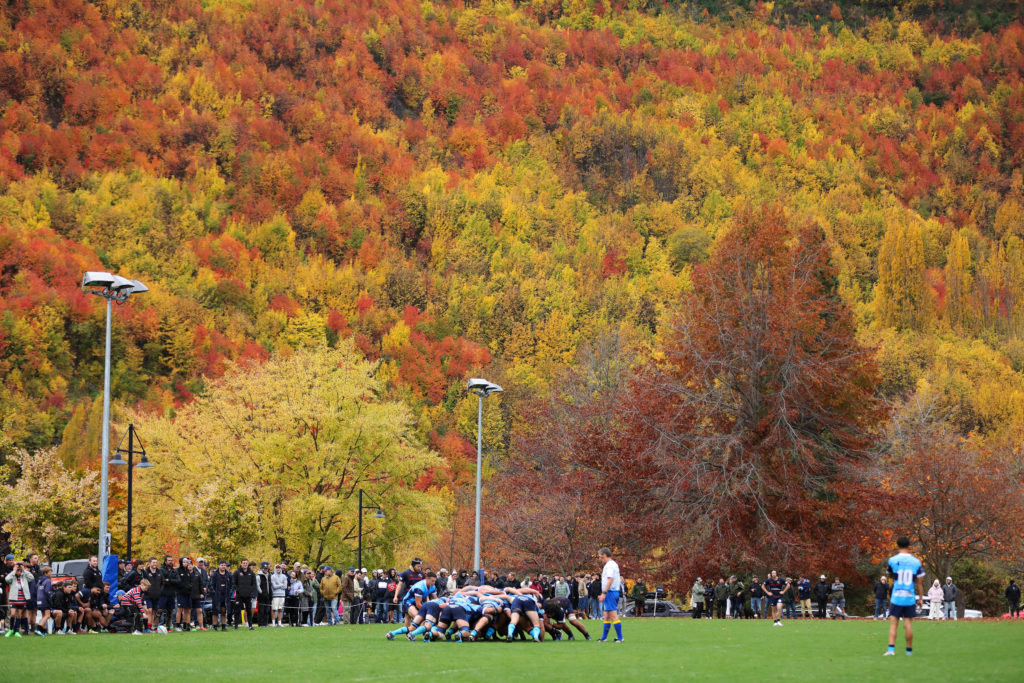
 Jack Reid Park in Arrowtown
The other day I was in Arrowtown to cover a local rugby match between Arrowtown and Wakatipu that was being played at Jack Reid Park. These aren’t two heavyweights of New Zealand rugby you’ll understand, simply two local teams that have a fierce rivalry. Whenever they play it’s called “the battle of the basin” and it always draws a big crowd and Saturday’s match was no exception. For the record, Wakatipu won 27 to 19 with low misty rain and clouds hanging around for most of the day. However, late in the match the cloud cover did clear enough for the hillside which provides the backdrop to Jack Reid Park to be exposed with all its autumn glory. As far as backgrounds go there aren’t many rugby grounds in the world that can top Jack Reid Park in autumn.
 Dusk over the Wakatipu Basin
It’s amazing how lazy you can feel after sitting by a river all day. Having done just that, by the time evening hit the Central Otago town of Arrowtown, I started to feel like some exercise might be needed. So, as dusk approached I decided to stretch my legs with a walk up Tobins Track to see the sunset over the Wakatipu Basin. Set high above the hills of Arrowtown, Tobin’s track was originally built by Irishman Thomas Tobin who won the roading contract to link the Wakatipu Basin to the Cardrona Valley in the 1870’s.
 Lake Hayes Walkway – Buy
Just outside of Arrowtown, or 15 minutes drive from Queenstown is Lake Hayes. A tranquil and beautiful lake that is filled with all sorts of bird life, the lake also has an 8 kilometre, loop walking track. Surrounded by some spectacular mountains, it’s a perfect place for a stroll, walk, run or bike ride.
 Autumn on the Arrow River – Buy
Back in autumn I was fortunate enough to spend some time in Arrowtown. I say fortunate because I wasn’t meant to be there at all. I had planned to spend some time near Christchurch, but my accommodation was unexpectedly cancelled. So, I had to choose an alternative destination and Arrowtown was it. What a joy the town is during autumn when the colour takes hold.
 Arrowtown autumn colour – Buy
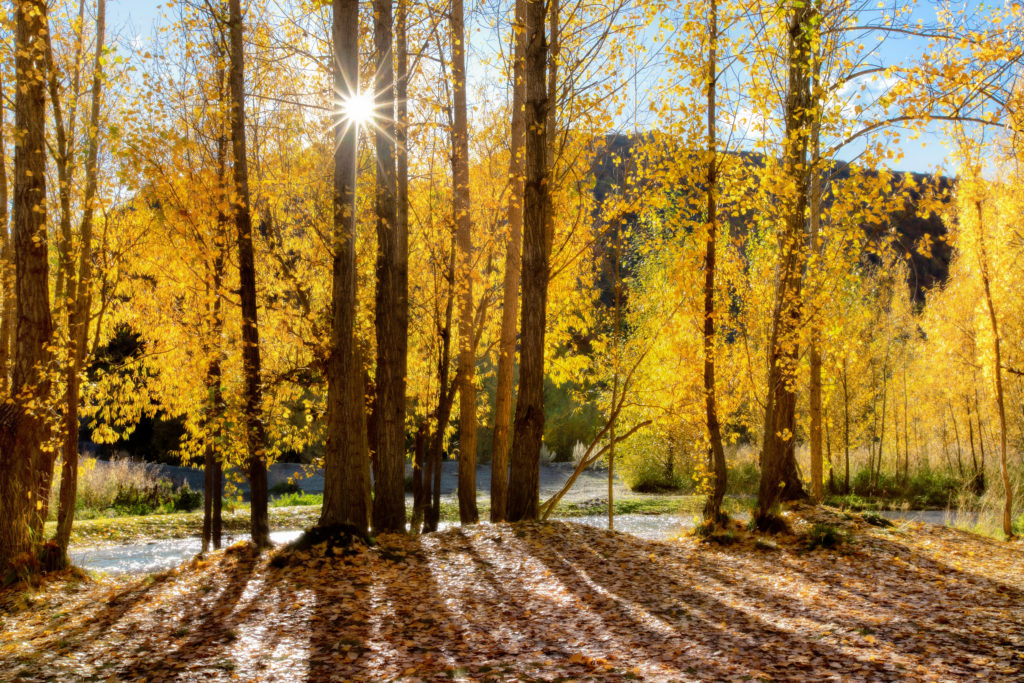
It was a sunny May day, yet at this time of year in Central Otago, the warmth that the sun brings can be fleeting. Winter was just around the corner and in the small town of Arrowtown, pockets of autumn colour were still visible. Fairly shortly the area would start to take on a distinctly winter feel however, for now I decided to enjoy the last of the autumn leaves.
 Autumn reflection at Lakes Hayes – Buy
What a tranquil place Lake Hayes is. For the life of me, I can’t recall ever seeing it anything but placid and serene. Even when the weather has been miserable, all around the lake manages to remain reposeful. I’ve seen it when it’s windy, when it’s raining, when it’s hailing and snowing. I’ve seen it in the morning and the evening, at dawn and at dusk yet it really is quite remarkable how untroubled it always seems. I wonder why that is!
I had been in Arrowtown for a total of 15 minutes before our hosts had announced they were walking up Tobins Track. Not sure what exactly Tobins Track was, I was told it would take about 30 minutes of steady walking up a hill to a lookout that gave views looking out over the entire Wakatipu Basin. As the sun was due to set within the next hour or so, I decided, ‘well, why not!’
 Coronet Peak Road – Buy
It must be said that the view from the road up to Coronet Peak ski field is quite incredible. The road starts in the valley that links Queenstown to Arrowtown and twists and turns its way up the side until you reach the ski field. It really is rather astonishing.
 Arrowtown – Buy
I had lunch just as the day in Arrowtown was starting to collect itself. The morning had started with subzero temperatures creating a thick layer of frost over the town and virtually everything in it. Now, several hours later with the sky a clear and brilliant blue and the sun being a welcome source of warmth, I found myself in a delightful cafe having brunch. Actually, I wasn’t as much in the cafe as I was outside in the garden, which was equally as delightful and rather splendid as the sun took hold.
Earlier that morning having been for a walk in the cool morning air, I decided to see what Trip Advisor was advising regarding the local eating establishments while the town defrosted. So, after some toing and froing and a rather lengthy period of indecisiveness, I decided to make my way to a place called Provisions of Arrowtown. There, I found my way to a table in the lovely garden and enjoyed a splendid brunch surrounded by a wonderfully restored cottage that dated back to the 1870’s and the Arrowtown goldrush era.
Having no immediate plans for the rest of the day, apart from vacating my table which was clearly wanted by a number of hungry visitors, I decided to ponder what to do next as I walked the town streets

 Spring at St Paul’s Church in Arrowtown– Buy or view the Ōtepoti | Dunedin gallery
The morning air was once again cool with a light layer of frost covering the ground, although not as thick as when I had first arrived. After several injections of caffeine, I began the 280km trek back to Dunedin but first I wanted to call in to see St Paul’s Church in Arrowtown. A building dating back to 1871, making it the oldest church of any denomination in the Arrowtown area.
Like most things in Arrowtown, the church sits on a lovely tree lined street, set back into the property to allow a grassy area out front where presumably the congregation would gather both before and after the services. As I looked around the church gardens, which were small yet lovely, I became aware that the morning was already pushing on and the traffic on the road behind me was steadily building. Yet despite the occasional passerby on foot, I seemed to have the place to myself.
Afterwards, fancying a bite to eat, I found a few tasty treats to eat in the car at a nearby shop and followed the Arrow River into the Gibbston Valley, through the Kawarau Gorge and beyond to Cromwell, Clyde and Alexandra. I passed familiar places like Fruitlands, Roxburgh and Millers Flat while pondering that one day I should leave enough time to stop and wander around these towns rather than simply driving through them.
Several hours later I found myself happily in the familiar surrounds of Dunedin as the city came into view from over Lookout Point. The light was beginning to fade and I still had a number of jobs at home that needed attending to before the day was done. At some point while driving along the southern motorway I glanced over towards the coastline that was becoming a sea of lights. For a moment I considered taking a detour out to the beach (not that I would see much), it would only be 10 minutes out of my way I reasoned. I thought about the beach and then the jobs that still required my attention at home, ‘well, why not!’ I thought.
 Autumnal Wallpaper – Buy or view the Ōtepoti | Dunedin gallery
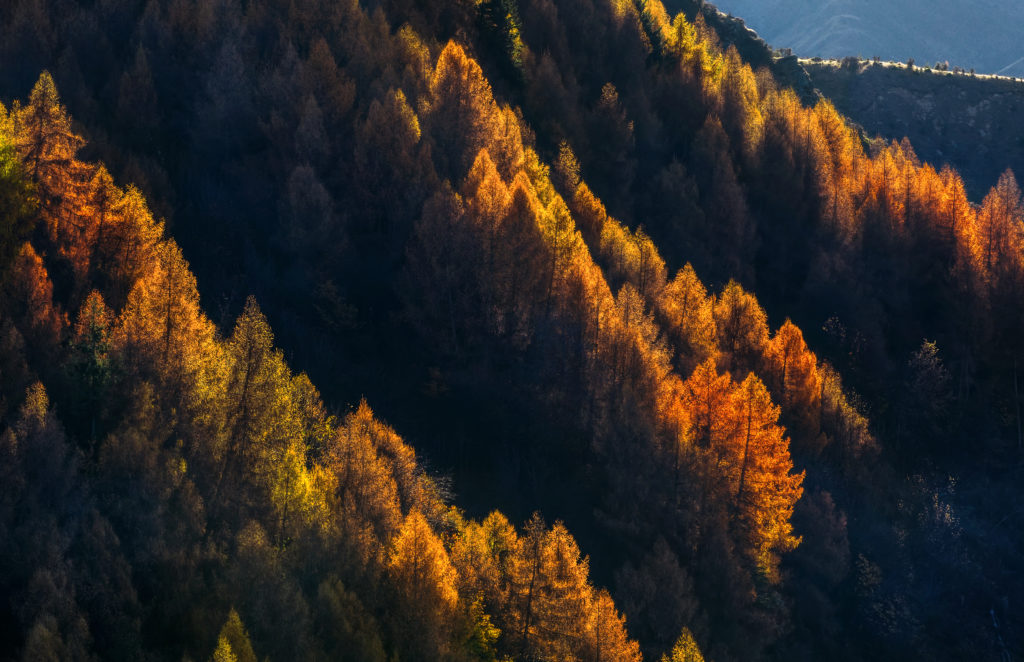
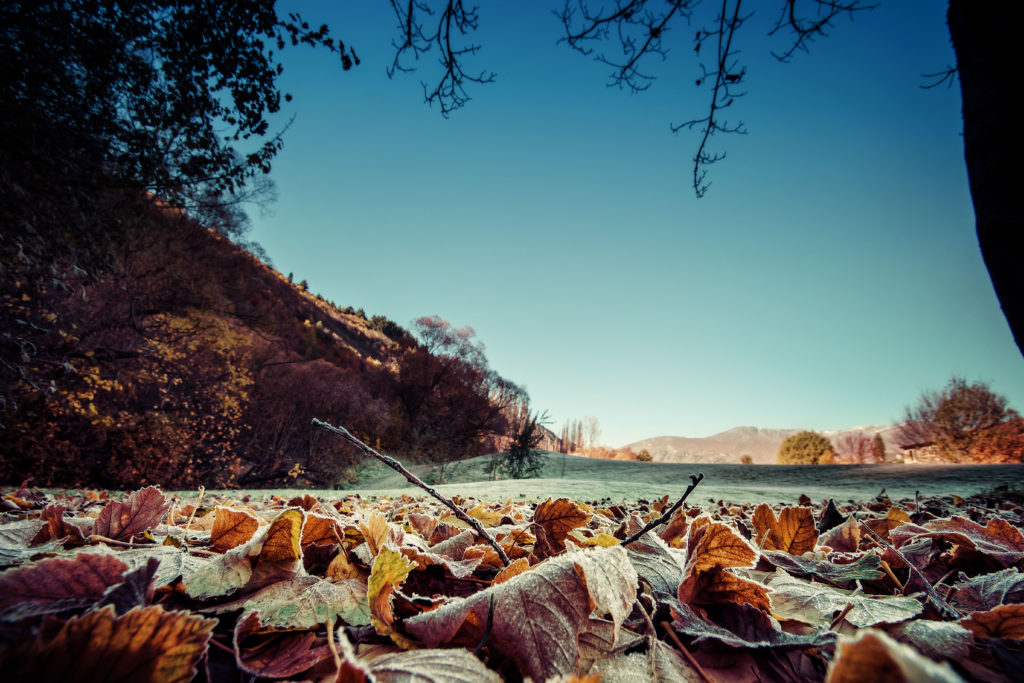
The early morning light was just starting to hit the tree tops. It was a cold, chilly morning with frost covering everything at ground level. Pools of water looked like glass, leaves frozen in place where they had fallen the day before. My breath appeared infront of me in great clouds of mist as I watched the light creep across the hillside, revealing the autumn colours that had be hidden by night.
One of the attractions of Arrowtown during autumn is the wonderful colour that comes out throughout the town. However, the Wilding Pines that surround the hills have created a dilemma. Either lose a large section of the autumnal background or face an ecological disaster.
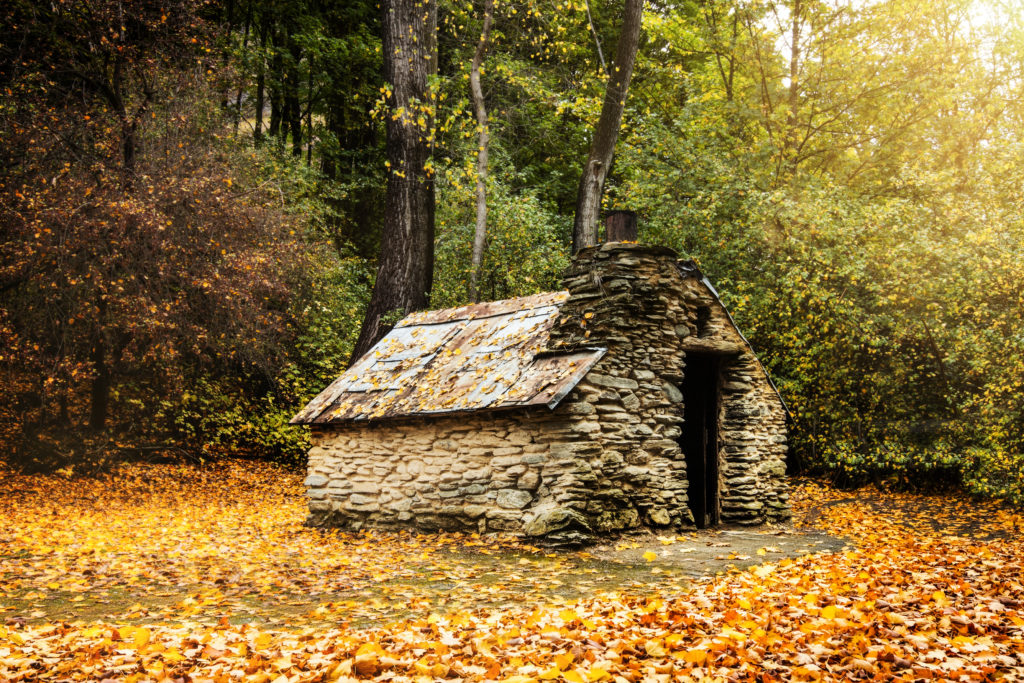
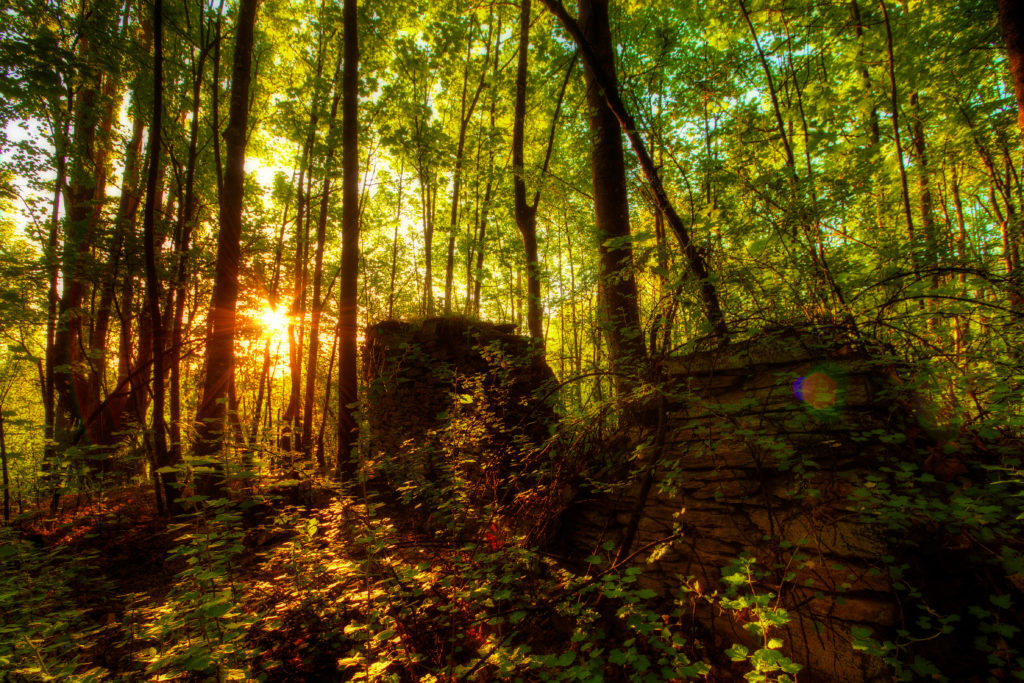
 Hut On Tobins Track– Buy
The walk up (and up and up) Tobins Track in Arrowtown is an extremely worthwhile walk that rewards you with outstanding views of the Wakatipu Basin. I did it with friends one hot, January evening in summer but half way up we got a little side tracked with a path leading to the crumbling remains of this hidden hut deep in the bush.
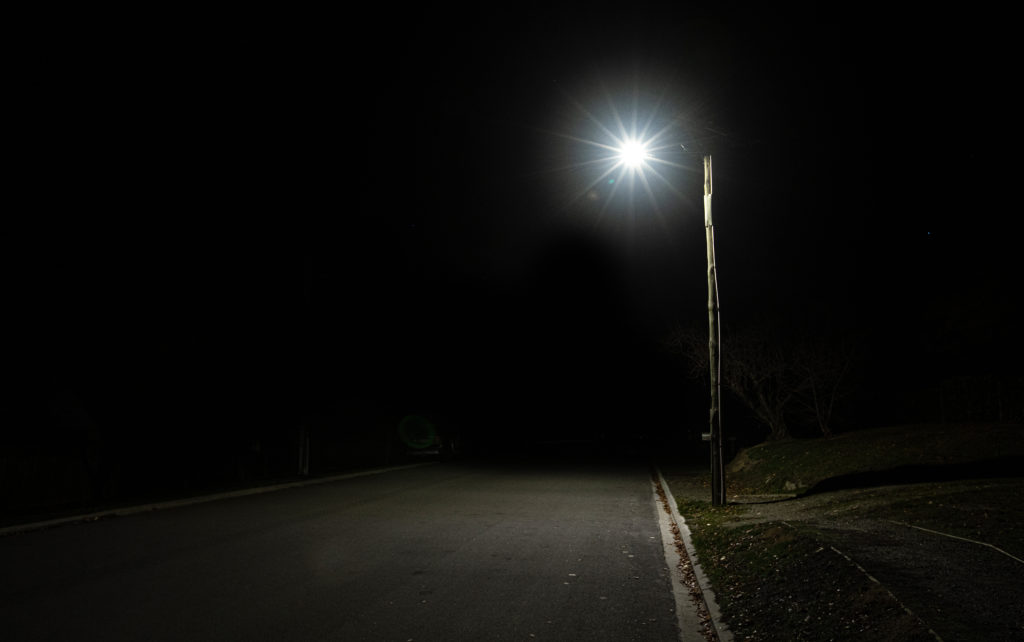
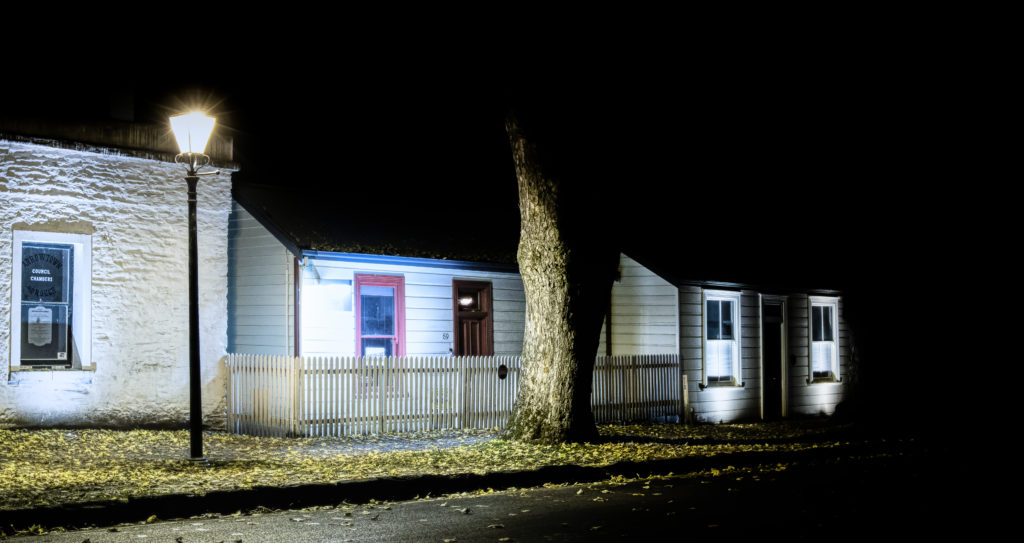
 Streetlight In Arrowtown – Buy
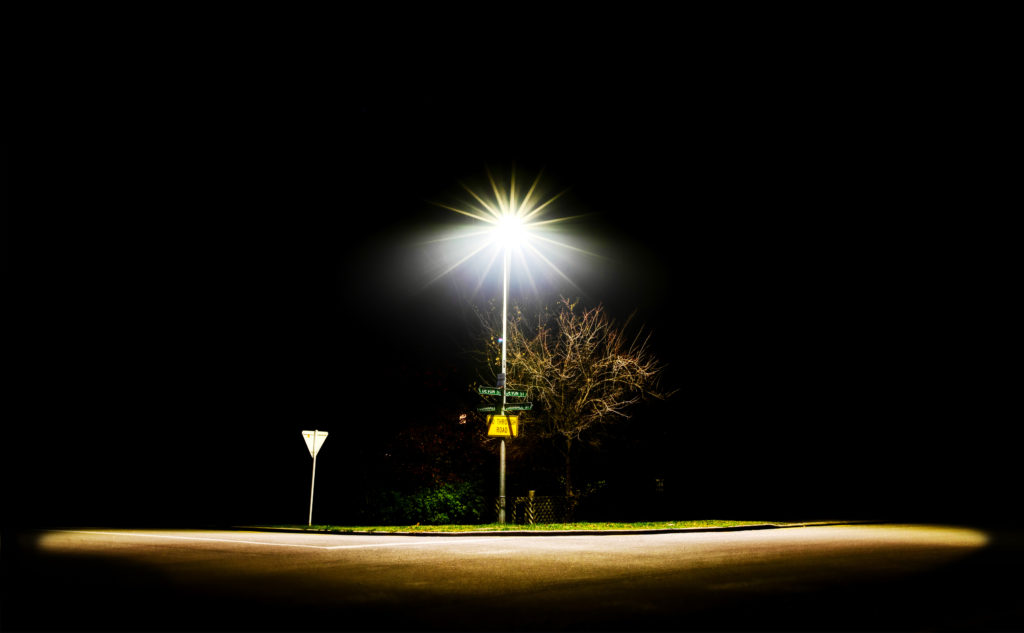
I can’t remember what the temperature was when I took this however it was early winter in Arrowtown on a Friday night. What I do remember is that it was bitterly cold. I wasn’t outside for long, it was maybe time enough for 5 or 6 frames before I headed inside to a nice warm fire.
Want to get a print for your wall? Download the print price guide below, then email [email protected] with your details and we’ll get an order underway for you.

 Autumn in the Chinese Village
I’m not sure Central Otago and the Lakes District have a bad season. Summer and Winter are seasons of extremes and are completely unique while autumn is full of colour. There are so many great reasons to visit Arrowtown and the colour of autumn is definitely one of them. If you get a chance to explore the Chinese Village by the Arrow River then the autumn leaves, trees and colours will astound you. I was lucky when I took this photo as it was a fairly still day, meaning the only blur I had to worry about was from other visitors. Sometimes blur and movement is okay in photos but on this particular occasion I wanted everything completely still.
Want to get a print for your wall? Download the print price guide below, then email [email protected] with your details and we’ll get an order underway for you.
Print Price Guide 2021 – Download

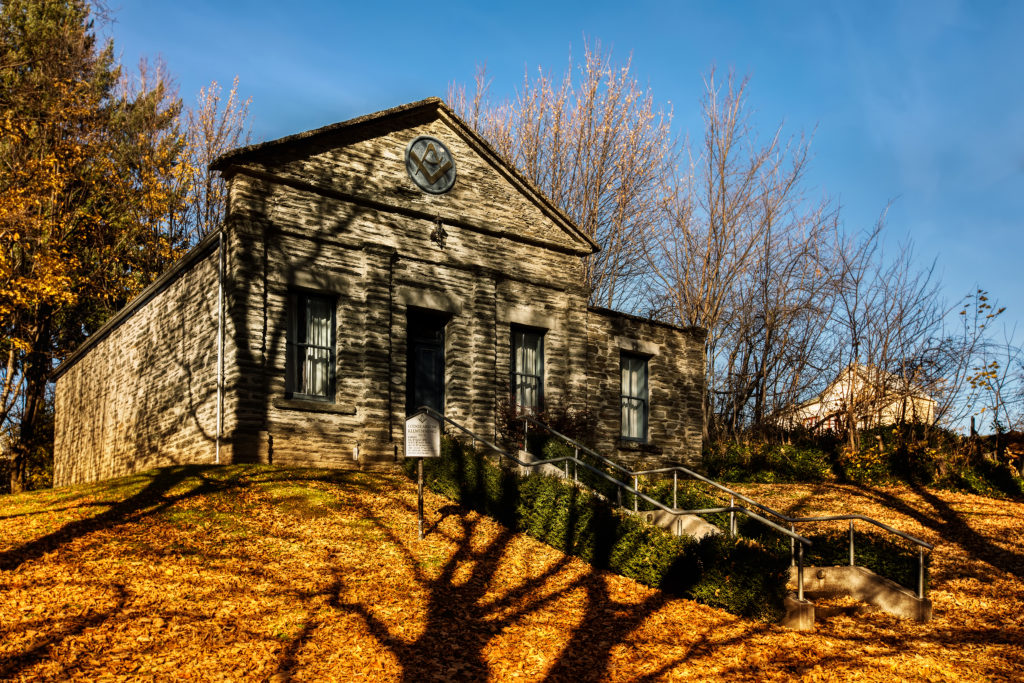
St Paul’s.
A bit of a change today from my usual creative adventures on the Esplanade. This is St Paul’s Anglican Church in Arrowtown, which is inland from Dunedin in Central Otago. It’s been awhile since I’ve done a road trip so I might need to organise one once the weekends become free. St Paul’s in Arrowtown was built at the time of the Otago gold rush in September 1871 which makes it 150 years old. Before it was the built many of the miners wanted a dedicated Anglican Community and once they had raised the necessary funds and found a piece of land, the church was built. It has been holding services in the same place ever since.

I’m not sure Central Otago and the Lakes District have a bad season, if you like extremes that is. The summers are deliciously hot and the winters intensely cold making them completely unique. Unfortunately, they are heavily reliant on international tourists and with those dollars not coming in at the moment it means areas like Queenstown, Arrowtown and Lake Teakpo are hoping that Kiwi’s take a local holiday.
There are so many great reasons to visit Arrowtown and at the moment it’s full of colour, giving it yet another distinctive season. If you get a chance to explore the Chinese Village by the Arrow River then the autumn leaves, trees and colours will astound you with deep oranges, fiery reds and warm yellows. I had a trip all planned before the whole Covid 19 thing hit. The idea was to spend a few days exploring the colours of autumn in and around Arrowtown. Instead we all ended up in lockdown at home. Maybe it’s one local holiday that could be rescheduled.

Autumn Colour, Arrowtown
Continue reading By The Arrow River
It’s not often I’m allowed to go grocery shopping for our household these days, you see, I have history with Supermarkets. It’s not that I’ve been completely banned by my family from stepping foot on the premises, it’s just that it’s better for all concerned if I don’t go. To be clear, I am entrusted to pick-up small amounts of items that are essential to the evening’s meal, and beer. But nothing more beyond that.
Kiwi chef Simon Gault often speaks about adding 5% magic to dishes to really elevate it and give it WOW factor. My banishment from the weekly shop started with this very premise, adding 5% magic. Originally, some years back during the regular weekly shop I added a few extra, carefully chosen items to the trolley to add that 5% magic to one of the weekly meals. I then repeated this the next time I went grocery shopping, once again adding a few extra, carefully chosen items to the trundler to elevate one of the nightly dishes. This process then continued for some time, with me adjusting the list accordingly as I went and occasionally coming home with more items that weren’t on the list than were.
The second to last straw came one day when I arrived home and started unpacking the grocery bags out of the car.
“Where are the rest?” my wife said.
To which I responded “what do you mean? This is it”.
The next short while was spent with myself having to explain how in fact it is humanly possible to spend such a large amount on so few items and still manage to forget essentials like toilet paper, bread, milk or 95% of the other items I went out to get.
The final straw in my banishment from the weekly shop came after my invention of the sport ‘grocery item tower-building’. After a lengthy absence from the shop floor, I was once again entrusted with the food gathering task. Off I went, list in hand, my wife accompanying me and acting as chaperone to ensure I brought something that was edible for all and stuck somewhat closely to a budget. Having successfully negotiated all the aisles, I added a few last minute items (that would definitely add 5% magic) before proceeding to the checkout. Upon arrival at the checkout, I then proceeded to build a tower with our grocery items on the conveyor belt. The object here being to build the highest possible tower without it falling over when the conveyor belt is moved. My tower, having reached ten items high, unfortunately proceeded to crash to the ground and all over the counter when forward movement was applied. The imploding tower resulted in two things. Firstly, my grocery item tower-building personal best of nine items still stood, and my banishment from the weekly grocery shop.
Here, many years later on a windy Saturday morning, my first trip anywhere in a week, I found myself standing in line outside Countdown. List in hand, once again being entrusted with the weekly shop. I can thank PM Jacinda Ardern for this turn of events. “Shop normally,” she said.” I was also told that it would do my mental health the world of good to venture out. So off I was sent with the mission of doing the weekly shop.
The line to gain access to Countdown stretched all the way through the carpark and almost out to the footpath. Maybe it was it an early morning for us all, maybe it was the cold wind, maybe there was a sign saying ‘no talking or smiling while in line’ that I had missed or maybe everyone else wasn’t as excited as me. Upon joining the end of the queue, I copied what was clearly the expected protocol and stood in silence. The hushed stillness was deafening. Once and a while we’d all take two steps forward, inching closer to the main door yet keeping a good 2 metre gap. The somber and bleak line continued to inch forward at regular 2 metre intervals with the occasional break in silence coming from the sound of a car heading past or someone questioning if we were allowed to bring our own bags, if we had to wear face masks or if they were handling cash? For the greatest time, I couldn’t put my finger on what the mournful feeling reminded me of when the answer suddenly appeared in the wind. It was like being back at school. Everyone lined up waiting to be told off by the principal. I found myself imagining an irate Cabinet Minister stomping up and down the line, telling everyone off for not shopping properly and stating that this is what it’s going to be like until we prove we could shop properly. Again we stepped forward, one person entering as one person exited, eagerly waiting our turn, list tightly gripped.
The next 40 minutes was one of the most unique shopping experiences I will encounter. Everyone walked around in silence, some with gloves and mask, some taking their time soaking up every ounce of time allowed out, others racing around the aisles like Lewis Hamilton through the chicanes at Monte Carlo. My second stop, after the beer, was the fruit and vegetable section. It seems that the 2 metre rule doesn’t apply when you’re choosing your capsicums, lettuce, cauliflower or beans! My first listed item was cauliflower. Having scanned the surrounding area and establishing a healthy 2 metre gap between myself and one other person, I went for it. With only four left I was quite delighted to be able to add one to my trolley when suddenly a hand appeared. Out of nowhere my trolley collected a heavy bump, shifting me sideways a bit and a wrinkled old hand, covered in rings and bracelets suddenly grabbed two of the four and disappeared. Before I could gather my senses, another one disappeared, from my left hand side this time. I quickly grabbed the single remaining cauliflower and retreated. What I proceeded to watch was people applying the ‘dive in out out quickly’ method to grab their chilled vegetables. No patience, no 2 metre gap, similar to a six kid lolly scramble that had got slightly out of control.
Fortunately, the rest of the shop was calmer. Casually being able to amble through the isles adjusting the list accordingly as I went. The empty shelves meaning my family didn’t have to worry about extra items being added for that 5% magic. The biscuit aisle seemed to be another hotspot where large groups of people had obviously decided to risk it and break the 2 metre rule. Fortunately my list didn’t have them on it and on I went to the baking aisle where a barren shelf greeted me, only an empty space left where the High Grade Flour used to be. With that being the only item on my list not to be crossed off, I paid and headed out the door.
Feeling very impressed with my ability to stick to a list and stick to a budget without adding extra items, my mind turned towards packing. I was suddenly drawn to a halt by the lady in front. In one motion she had instantly frozen and clicked her fingers.
“Oh shoot” she said, the jingling sound of her bracelets catching my ear and eye as her wrinkled old hand covered in rings clicked her fingers.
“I forgot high grade flour” she added to no-one in particular. I smiled to myself, recognising her from the Cauliflower invasion. I paused, thought for a second, looked at my Cauliflower then watched her join the end of the queue via a detour to her car. It seems being kind and patient has its rewards I thought, my shopping trip having been made a little better.










 View from Tobins Track